When discussing budgets for a custom hillside home or a substantial luxury remodel, the conversation inevitably turns to construction methods and materials. It’s here that many homeowners face a critical decision: invest in premium construction techniques and high-quality materials now, or opt for standard approaches that meet code but nothing more.
At Triton Engineering Contractors, our experience across nearly three decades in construction—from residential to commercial projects, and rescuing more than a few where cost-cutting proved expensive—has taught us this with certainty: premium construction methods and materials aren’t a luxury. They’re an investment that pays dividends for as long as you own your home.
The True Cost of “Meeting Code”
Building codes establish minimum standards—the baseline for safety and functionality. They’re essential regulations that protect homeowners and ensure structural integrity. But here’s what many people don’t realize: minimum standards were never designed to optimize longevity, minimize maintenance, or maximize performance. They’re designed to prevent failure.
Code compliance doesn’t specify material quality beyond basic thresholds. Consider framing studs: a standard 2×6 that meets grading standards can vary enormously in quality and performance. Premium construction increasingly uses engineered wood studs like LVL (Laminated Veneer Lumber) or TimberStrand LSL (Laminated Strand Lumber) studs instead of dimensional lumber.
These engineered products deliver consistent dimensional stability—they won’t warp, twist, bow, or shrink like conventional studs. They provide uniform strength characteristics throughout every piece, eliminating the weak spots common in dimensional lumber. They maintain true dimensions, ensuring walls stay straight and plumb. And they’re manufactured with precise moisture content, significantly minimizing the seasonal movement that commonly causes drywall cracks and nail pops.
Both standard dimensional studs and engineered studs meet code. But only engineered studs deliver the long-term performance that keeps walls straight, prevents fastener failure, and provides a stable substrate for premium finishes decades later.
There’s a substantial gap between a home that meets code and a home built to last generations. That gap represents everything from waterproofing systems engineered for long-term performance, to concrete mixes designed to minimize cracking, to lumber grades selected for stability, to finish materials chosen to age gracefully.
When a contractor builds to minimum standards, they’re building to a price point. When we build with premium methods and materials, we’re building to a performance standard designed for the long term.
The Long-Term Economics of Quality
The difference between premium and standard construction becomes clear when you consider ownership over decades rather than months. Initial cost savings from standard approaches often evaporate within the first few years as maintenance, repairs, and premature replacements accumulate.
Premium construction methods and materials represent a meaningful investment during the construction phase. But this investment fundamentally changes the ownership experience. Systems perform as intended. Materials age gracefully. Maintenance requirements remain manageable rather than becoming an ongoing burden.
Consider the compounding nature of quality decisions. A home built with attention to material selection and installation methods requires fewer interventions over time. Each avoided repair represents not just the direct cost savings, but also the time, disruption, and stress that comes with living through construction repairs.
The inverse is equally true. Homes built to minimum standards often require increasing attention as they age. Small issues compound into larger problems. What seemed like modest savings during construction transforms into significant expense—and ongoing frustration—over the life of the home.
Where Premium Methods and Materials Matter Most
Certain building systems and components have outsized impact on long-term performance and cost. Understanding where to prioritize quality helps ensure your investment delivers maximum value.
Structural and Foundation Systems
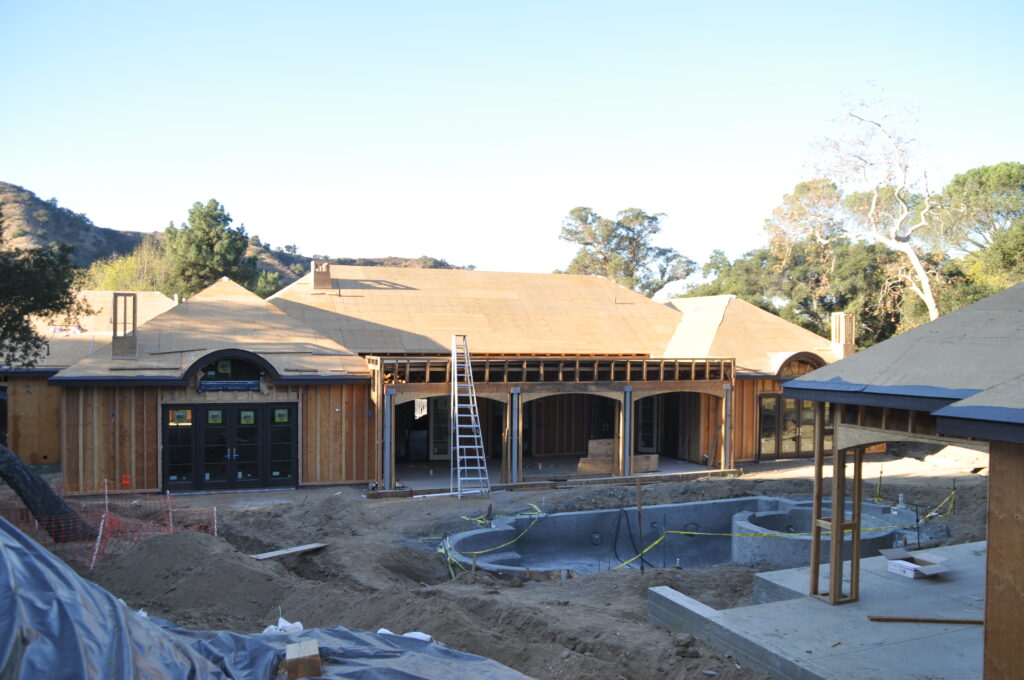
The work you never see—foundations, drainage systems, structural framing—determines how your home performs for decades. Premium foundation work uses properly engineered concrete mixes, appropriate reinforcement materials, and installation methods that account for actual site conditions rather than just meeting minimum requirements.
Structural framing benefits enormously from quality materials and attention to detail. Engineered lumber products where appropriate, properly selected fasteners, and installation that accounts for long-term stability all contribute to a home that settles uniformly, resists movement, and provides a solid platform for everything that follows.
Building Envelope and Systems Integration
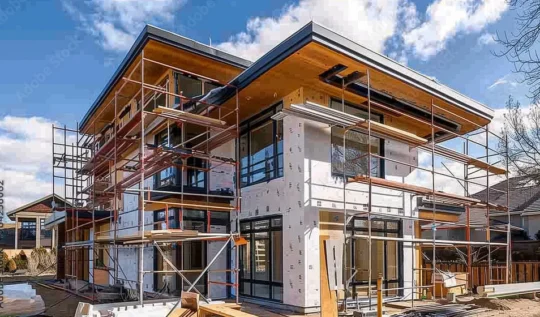
How your home interacts with weather and climate affects everything from energy costs to interior comfort to material longevity. Premium building envelope work considers the complete system: insulation appropriate for the application, proper air sealing, quality window and door products that maintain performance, and exterior materials selected for durability in your specific environment.
Integration matters as much as individual components. Premium construction ensures the building envelope functions as a complete system, with proper detailing at transitions, penetrations properly sealed, and materials selected to work together effectively.
Mechanical, Electrical, and Plumbing
System quality varies dramatically even among products that meet the same basic specifications. Premium mechanical equipment provides better performance, greater efficiency, and longer service life. Quality electrical components maintain reliable connections and provide capacity for future needs. Plumbing systems using premium materials and proper installation methods deliver better long-term reliability and performance.
The cost difference during construction often seems modest compared to the total project budget. But over decades of ownership, premium systems deliver measurably better performance while requiring less maintenance and fewer replacements.
Finish Materials and Long-Term Maintenance
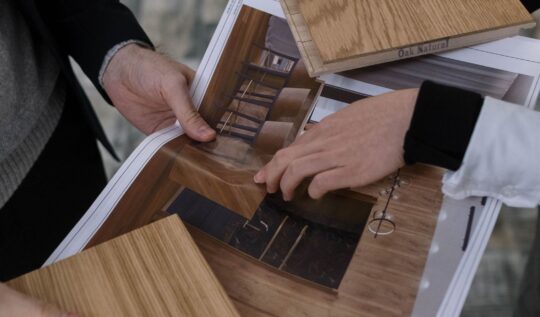
Visible finishes make the most immediate impression, but their quality affects much more than appearance. Premium finish materials—from flooring to cabinetry to paint—age gracefully, resist wear, and often can be refinished rather than replaced when they eventually show use.
The maintenance burden difference between premium and standard finishes compounds dramatically over time. Materials that require periodic replacement cost more over the home’s life than premium alternatives designed for longevity with minimal care.
The Performance Difference
Premium construction delivers benefits that extend beyond avoiding repairs. Homes built with quality materials and methods simply perform better in daily use.
Temperature control is more consistent. Acoustics are superior. Systems operate more quietly and reliably. Doors and windows function smoothly. Finishes resist the minor damage that’s inevitable in daily life.
These quality-of-life improvements don’t appear on any cost analysis, but they matter every single day you live in your home. The difference between a home that works with you versus one that requires constant attention and accommodation affects how you experience your space fundamentally.
Making Informed Decisions
Not every aspect of construction requires premium materials and methods. Understanding where quality matters most allows you to allocate your budget effectively, investing in the areas that deliver the greatest long-term value while being more economical in areas where standard approaches perform adequately.
This requires honest, detailed conversations about your priorities, how you’ll use your home, and how long you plan to own it. It also requires working with professionals who can articulate the actual differences between options rather than just presenting price points.
Transparency in specifications matters enormously. Detailed descriptions of exactly what materials will be used and how they’ll be installed allows meaningful comparison between contractors and ensures you’re receiving the quality you’re paying for. Vague specifications hide quality differences and make it impossible to know what you’re actually getting.
The Intangible Returns
Beyond direct financial benefits, premium methods and materials deliver quality-of-life advantages that resist precise quantification but matter enormously.
A home built with premium methods and materials requires less maintenance, meaning fewer weekends coordinating with contractors and living with ongoing repairs. It performs better—more comfortable temperature control, better acoustics, superior water pressure, more reliable systems. It ages more gracefully, maintaining its value and appeal rather than showing its age prematurely.
Premium materials also provide superior performance during use: doors that close with satisfying precision, faucets that operate smoothly, floors that feel solid underfoot, finishes that resist wear and damage.
These benefits compound over time. A home that requires constant attention and repair becomes a source of stress and frustration. A home that simply performs as intended provides the backdrop for the life you want to live.
The Bottom Line
Premium construction methods and materials represent a significant investment that fundamentally changes the ownership experience—delivering reliability, durability, and performance rather than ongoing maintenance and surprise repair costs.
Our experience in construction has shown the long-term results of both approaches. Homes built with premium methods and materials from the foundation up simply perform better, last longer, and provide better value over the life of ownership. They provide the foundation—literally and figuratively—for the life their owners want to live.
When we discuss your project at Triton Engineering Contractors, Inc., we start with a candid conversation about construction quality and long-term value. Not because premium methods and materials serve our interests, but because they serve yours. Building a home that performs beautifully for generations isn’t a luxury—it’s the whole point of custom construction.