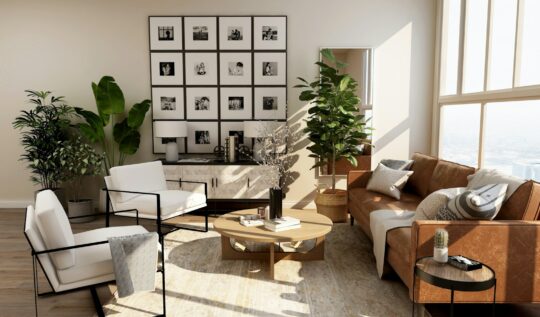
There is a reason you feel immediately at ease in some homes and vaguely unsettled in others — even when the finishes are impeccable in both. The furniture may be the same caliber. The square footage comparable. The architecture equally resolved. And yet one home breathes and the other does not. More often than not, the difference comes down to light.
Natural light is not a design amenity. It is not a feature line on a specification sheet alongside quartzite countertops and wide-plank oak floors. It is the invisible architecture of a home — the element that determines how every other investment looks, feels, and performs over time. And for homeowners in Southern California who are building or reimagining a custom home, understanding how natural light is captured, shaped, and delivered through the structure itself is one of the most consequential decisions the entire project will involve.
What Light Does to the Human Mind
The relationship between natural light and human wellbeing is not a matter of personal preference — it is biology. Our bodies are governed by circadian rhythms, the internal clocks that regulate sleep, mood, hormone production, and cognitive function. These rhythms are calibrated primarily by light, and specifically by the quality and timing of natural light as it shifts throughout the day.
Morning light, cool and directional, signals the body to suppress melatonin and elevate cortisol — the waking hormone that sharpens focus and readies us for the day. Afternoon light, warmer and more diffuse, begins the gradual transition toward rest. Evening, absent artificial interference, brings the amber tones that invite the nervous system to unwind. When a home is designed to receive and move with this progression — when its spaces are oriented and configured to deliver light in alignment with how we actually live in them — the effect on daily wellbeing is profound.
Research in environmental psychology has documented for decades what those who live in well-lit homes know intuitively: natural light reduces stress, elevates mood, improves concentration, and enhances sleep quality. It makes spaces feel larger and more welcoming. It creates the sense, however subtle, that a home is alive rather than merely inhabited. For a family spending the majority of their waking hours within the walls of a custom-built residence in Pasadena or San Marino or La Cañada Flintridge, these effects are not incidental — they accumulate over years and decades into the felt quality of life that the home either provides or withholds.
Why Natural Light Is a Construction Decision, Not Just a Design Decision
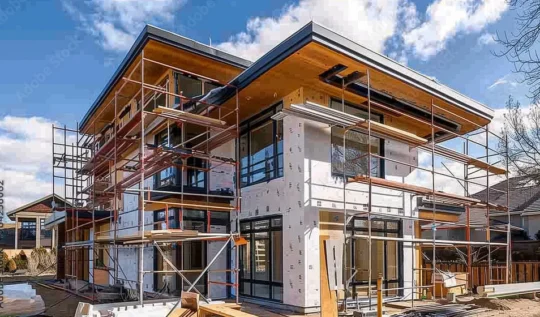
Here is where many homeowners are surprised: by the time an interior designer is making decisions about window treatments and surface finishes, the most important natural light decisions have already been made — or missed. The capacity of a home to receive, distribute, and modulate natural light is determined at the structural level, during design development and construction, before a single fixture is hung or a single wall is painted.
Orientation is the first and most consequential variable. A home’s position on its site, and the direction its primary living spaces face, establishes the fundamental light character of every room. South-facing rooms receive consistent, all-day light ideal for gathering spaces. East-facing rooms capture the clean energy of morning. West-facing rooms collect the warm, golden hours of late afternoon — beautiful, but requiring thoughtful shading strategies in Southern California’s climate. North-facing rooms receive the most diffuse, even light, prized by artists and ideal for spaces where glare control matters most.
Getting orientation right is a collaboration between architect and builder that begins during pre-construction, and it requires a builder who understands not just how to execute a design but how light will actually behave in a built structure across different times of day and different seasons. The sun’s angle in December is dramatically different from its angle in July. A roof overhang that provides perfect summer shade can block beneficial winter light entirely if its depth is not carefully calculated. These are not theoretical concerns — they are decisions made in framing and rough carpentry that homeowners will live with for generations.
The Architecture of Light: How Great Homes Capture It
Once orientation is established, the question becomes how the structure itself delivers light into the interior. Southern California’s climate is extraordinarily generous — an abundance of sunlight that, in the right hands, becomes one of the most powerful assets a custom home can possess.
Skylights and roof monitors are among the most effective tools for bringing natural light deep into a home’s interior, beyond the reach of perimeter windows. A well-placed skylight above a kitchen, a stair hall, or a transitional corridor can transform what would otherwise be a dim, utilitarian passage into one of the most memorable spaces in the home. When these elements are integrated into the structure during framing rather than added as afterthoughts, they can be properly waterproofed, insulated, and detailed to perform beautifully for the life of the building.
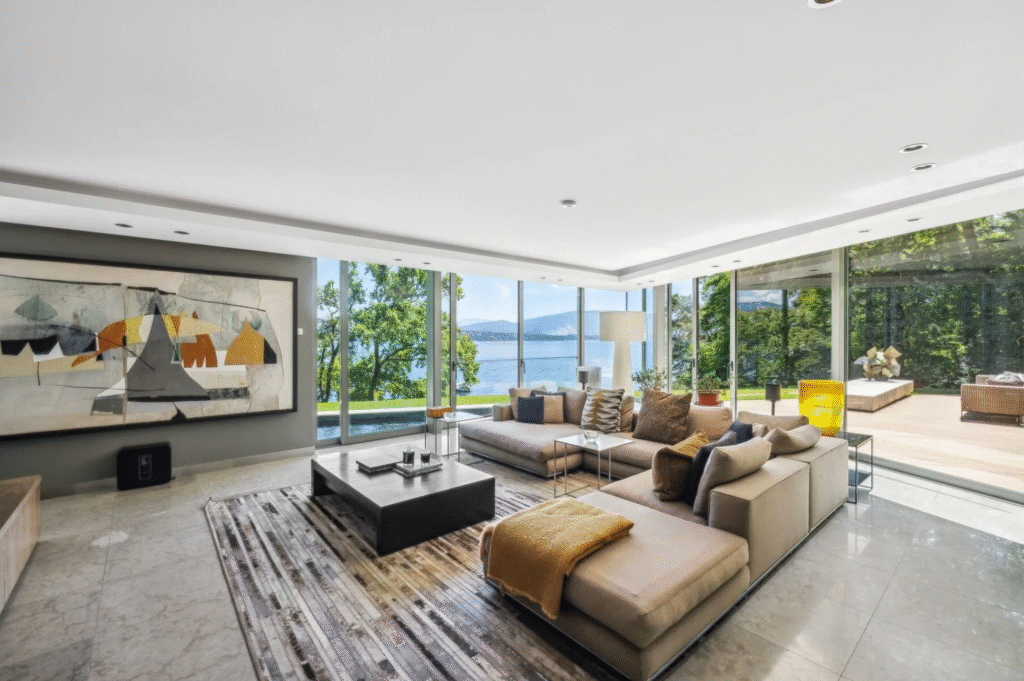
Clerestory windows — bands of glazing positioned high on walls, above the line of sight — introduce light without sacrificing privacy or wall space for furniture. They are an ancient architectural strategy that remains one of the most elegant, flooding interiors with indirect, glare-free illumination while keeping the lower walls available for art, cabinetry, and the functional life of the room. In homes throughout Beverly Hills, Brentwood, and Pacific Palisades, clerestory detailing elevates spaces from merely well-appointed to genuinely luminous.
Glazing selection is equally important and often underestimated. The glass itself — its solar heat gain coefficient, its visible light transmittance, its low-emissivity coatings — determines not just how much light enters a home but what quality of light it delivers and how it affects energy performance under California’s Title 24 energy code. High-performance glazing systems allow generous window areas without the thermal penalties that less sophisticated glass would impose, which means the design can be more ambitious and the light more abundant while still meeting or exceeding the state’s stringent efficiency requirements. This is a conversation that belongs in pre-construction, where glazing specifications can be coordinated with the overall building envelope strategy rather than retrofitted around it.
Light as the Measure of Every Other Investment
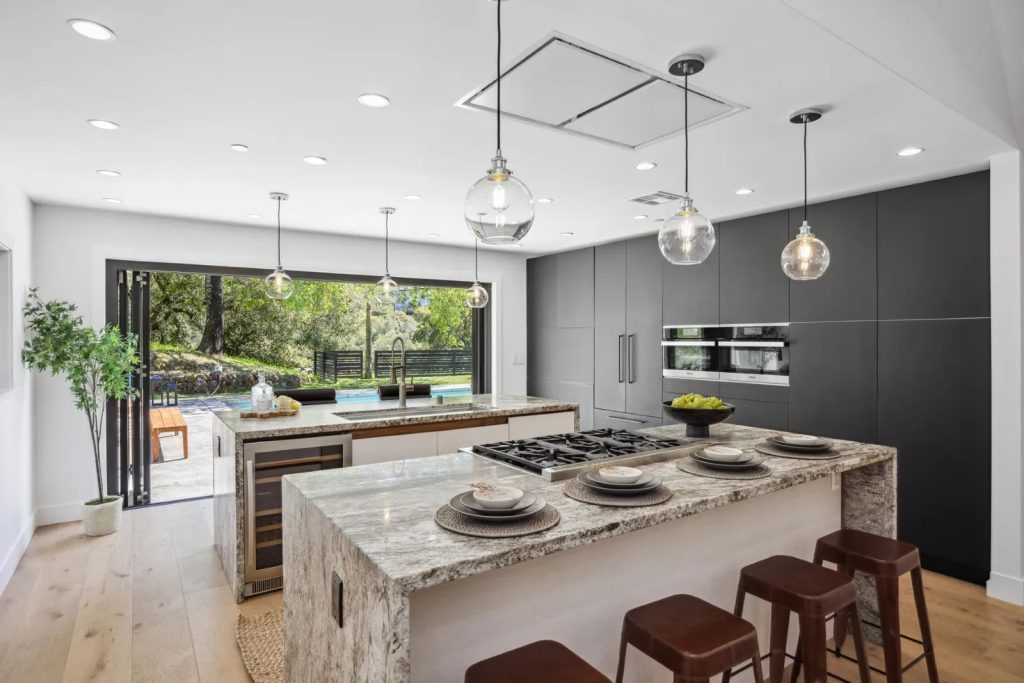
There is a practical dimension to all of this that luxury homeowners intuitively understand: natural light is the medium through which every other investment in a home is experienced. The veining in a slab of Calacatta marble reads entirely differently in a room flooded with natural light than in one relying primarily on artificial sources. White oak floors come alive in afternoon sunlight in a way that no lighting designer, however talented, can fully replicate after dark. Paint colors selected in a well-lit showroom can look unrecognizable in a poorly-lit room — and entirely transformed in a home where natural light arrives at the right angles and in the right quantities.
This is why experienced builders and architects approach natural light as foundational rather than supplementary. The homes that hold their value most reliably, that feel as exceptional on a quiet Tuesday morning as they do during an evening gathering, are homes where light was treated as a primary material — given the same deliberate attention as structure, envelope, and finish.
In the communities we serve — from the tree-lined estates of San Marino and Arcadia to the canyon-adjacent properties of Hollywood Hills and the broad, sun-washed parcels of Malibu — the site and climate offer an extraordinary starting point. Southern California’s light is a gift. What distinguishes a truly exceptional home is how thoughtfully that gift has been received and built around.
Building a Home That Nourishes
The homes that endure — that families build around, that hold meaning across generations — are the ones that feel right in a way that is difficult to articulate but unmistakable to experience. Natural light is at the heart of that feeling. It connects a home to the rhythms of the natural world. It makes the people inside it feel more awake in the morning, more at ease in the evening, more present in the spaces they inhabit. It is the quality that no renovation can fully restore once it has been designed out of a structure, and no amount of artificial lighting can replicate once a home has been built without it.
At Triton Engineering Contractors, our founder Artin brings 30 years of hands-on construction experience to every project — including a deep understanding of how buildings receive and move light, and how the decisions made at the structural level shape the daily experience of living in a home for decades to come. If you are planning a custom build or a substantial remodel and want to talk through how natural light can be woven into the architecture from the ground up, we would welcome that conversation.
Triton Engineering Contractors serves discerning homeowners throughout Los Angeles County, Ventura County, Santa Barbara County, and Orange County. Reach us at tritonec.com or call 818-551-9199.