
When designing and building a luxury custom home in Southern California, your builder and design team must balance competing priorities: stunning views demand expansive glass, indoor-outdoor living requires large opening walls, and dramatic volumes create spatial experiences—yet California’s Title 24 energy code mandates increasingly stringent energy performance standards. For affluent homeowners accustomed to getting exactly what they want, Title 24 can feel like an unwelcome constraint on architectural vision.
The reality is more nuanced. Title 24 compliance isn’t about compromise—it’s about intelligent integration of high-performance building systems that enhance comfort, reduce operating costs, and increase property value. At Triton Engineering Contractors, we’ve learned that the most successful outcomes happen when energy performance is considered from the earliest design phases rather than treated as a last-minute checklist.
This article demystifies Title 24 requirements for luxury homeowners, explains how premium construction methods can exceed code while maintaining aesthetic goals, and shows why energy performance has become a value proposition in the high-end residential market.
What Is Title 24 and Why Should Luxury Homeowners Care?
Title 24, Part 6 of the California Code of Regulations establishes energy efficiency standards for residential and commercial buildings. First adopted in 1978, Title 24 has been updated repeatedly—most recently in 2022 with implementation beginning in 2023. The code impacts virtually every building system: envelope insulation, windows and doors, HVAC equipment, water heating, lighting, and renewable energy generation.
The code uses a performance-based compliance approach—your home must achieve an overall energy budget rather than prescriptive requirements for each component. This flexibility benefits luxury construction, allowing creative solutions.
Why care about energy codes? Three compelling reasons:
Operating Cost Reduction: Annual utility costs of $15,000 to $30,000+ for large luxury homes represent meaningful expenses. High-performance envelopes and efficient systems can reduce these costs 40-60%.
Property Value: As environmentally conscious buyers enter the luxury market, energy performance has become a differentiator commanding premium resale values.
Superior Comfort: Title 24 compliance eliminates cold spots near windows, reduces temperature stratification, and creates more consistent comfort throughout the home.
Key Title 24 Requirements Impacting Luxury Home Design
Solar Photovoltaic Requirements
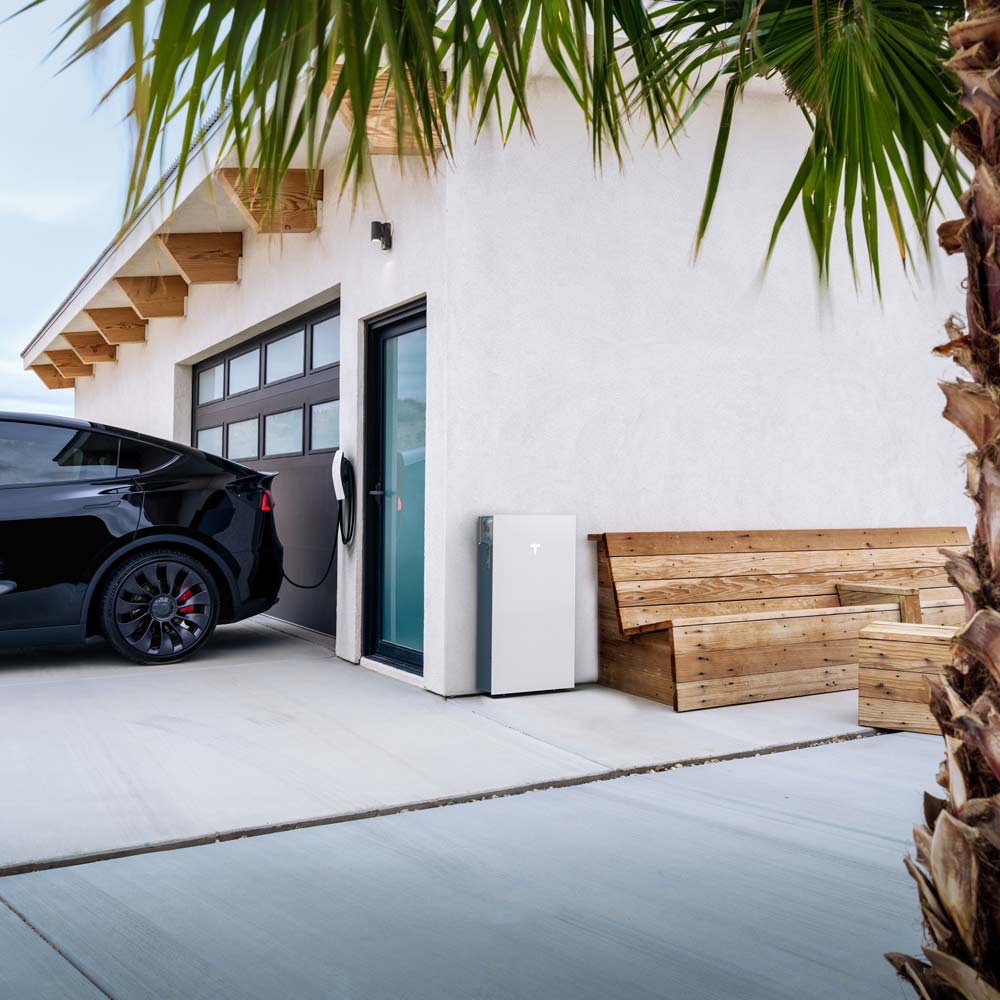
Since 2020, Title 24 has required solar photovoltaic systems for most new single-family homes. For luxury properties, this typically means roof-mounted or ground-mounted arrays sized to offset significant electrical consumption. The solar requirement can be satisfied through community solar programs, but most custom homeowners prefer on-site systems for energy independence and aesthetic control.
The solar requirement presents design challenges for architecturally distinctive homes. Solutions include integrated solar roofing products like Tesla Solar Roof or GAF Timberline Solar that replace traditional roofing materials, strategic panel placement on lower-visibility roof planes or detached structures, ground-mounted arrays on larger properties where distance and landscaping screen panels, and battery storage integration (not required but increasingly popular) to maximize solar utilization and provide backup power.
For hillside properties, solar design requires careful analysis of shading from terrain, adjacent structures, and vegetation, along with structural considerations for mounting systems on complex roof geometries.
High-Performance Fenestration Standards
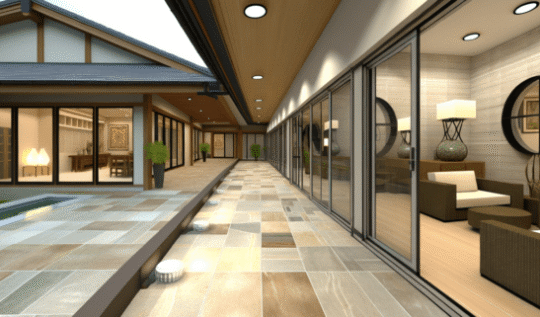
Luxury homes often feature extensive glazing—floor-to-ceiling glass walls, folding door systems, and strategically placed windows capturing views. Title 24 regulates fenestration through U-factor (thermal conductivity) and Solar Heat Gain Coefficient (SHGC) requirements that vary by climate zone.
Southern California spans multiple climate zones, from coastal Zone 6 to inland Zone 10, each with different requirements. West-facing glass capturing ocean views requires low SHGC to limit solar heat gain, while north-facing glass can use higher SHGC values since direct solar gain is minimal.
Modern high-performance glazing systems achieve compliance while maintaining aesthetics. Triple-pane glass with low-E coatings and argon or krypton gas fills provides exceptional thermal performance (U-factors as low as 0.15-0.20) while remaining optically clear. Thermally broken aluminum frames eliminate thermal bridging that undermines glass performance. Minimal-frame glass wall systems from manufacturers like NanaWall, LaCantina, or Fleetwood preserve clean architectural lines while achieving Title 24 compliance. Electrochromic smart glass like View Dynamic Glass automatically tints in response to sunlight, optimizing daylight while controlling heat gain—particularly effective for west-facing glass.
The key is early specification. Waiting until late in design to address Title 24 often means compromising window sizes or locations. Working with a builder experienced in luxury glazing systems ensures compliance without sacrificing architectural vision.
Enhanced Envelope Insulation
Title 24 mandates minimum R-values for walls, roofs, and floors that exceed typical construction. For luxury homes, meeting these requirements while maintaining clean architectural details requires careful planning.
Roof assemblies must achieve R-38 or higher in most California climate zones through closed-cell spray foam (providing R-6 to R-7 per inch), rigid foam continuous insulation over roof sheathing, high-density batt insulation in deep framing cavities, or structural insulated panels (SIPs) for exposed beam ceilings.
Exterior walls typically require R-13 to R-15. Luxury homes often use alternative wall assemblies beyond standard wood framing including insulated concrete forms (ICF) for subterranean walls and above-grade construction, structural steel framing with continuous insulation, advanced framing techniques minimizing thermal bridging, or exterior insulation and finish systems where architectural style permits.
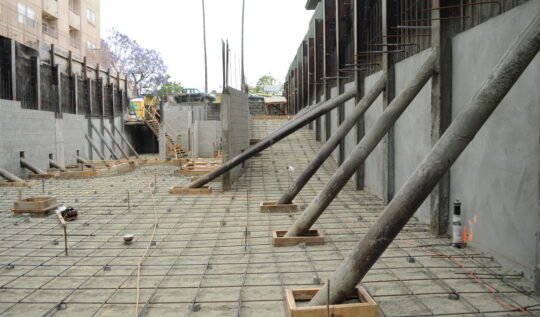
Subterranean spaces including basements, wine cellars, and garages require insulation and air sealing despite earth contact—particularly relevant for hillside homes where much of the structure is carved into slope. The challenge is achieving required R-values while maintaining proportions and details that distinguish high-end architecture.
HVAC and Ventilation Requirements
Title 24 requires ductwork in conditioned space (within the building envelope) or with stringent insulation and sealing requirements. For custom homes with architectural ceilings and exposed structure, this often means concealing ducts within conditioned spaces rather than vented attics.
Equipment efficiency minimums have increased—minimum SEER (Seasonal Energy Efficiency Ratio) ratings for air conditioning and AFUE (Annual Fuel Utilization Efficiency) for heating equipment are higher than ever. Premium systems from manufacturers like Daikin, Mitsubishi, or Carrier easily exceed requirements while providing superior comfort and quieter operation.
Large homes benefit from multi-zone systems with smart thermostats for independent temperature control across different areas. Title 24 encourages this through compliance credits, and luxury homeowners appreciate the comfort benefits.
Heat recovery ventilators (HRV) or energy recovery ventilators (ERV) pre-condition incoming fresh air using exhaust air, maintaining indoor air quality without energy penalty—particularly important in well-sealed, energy-efficient homes.
For luxury projects, we often recommend radiant floor heating providing exceptional comfort in bathrooms and great rooms, multi-zone mini-splits for precise room-by-room control, whole-house dehumidification for coastal locations, and integration with home automation systems.
Water Heating Efficiency
Title 24 requires high-efficiency water heating with specific requirements depending on system type. For luxury homes with large hot water demands—multiple bathrooms, spa tubs, steam showers, pool/spa heating—this becomes particularly significant.
Heat pump water heaters provide 2-3x the efficiency of standard electric resistance or gas tank heaters, though they require more installation space and generate cool air (which can be beneficial in garages or utility rooms). Tankless water heaters eliminate standby losses and provide endless hot water but require proper sizing for simultaneous fixtures—luxury homes may need multiple tankless units or large commercial-grade units.
Many luxury projects integrate multiple technologies: heat pump units for base load and tankless for peak demand. This provides redundancy and optimizes efficiency across varying usage patterns.
Exceeding Code: Why Luxury Homeowners Go Further
Many luxury homeowners pursue certifications beyond Title 24. LEED certification provides third-party verification of sustainable performance. Passive House emphasizes super-insulation and airtightness for 70-90% energy reductions and exceptional comfort. Net Zero Energy homes produce as much energy as they consume through efficiency and solar.
Why exceed code? Environmental stewardship, long-term value, occupant health, energy independence, and pride of ownership motivate luxury clients. At Triton, we help clients weigh their priorities—sometimes exceeding code aligns with their values and long-term goals, sometimes meeting Title 24 while investing in architectural features makes more sense. Often both can be achieved simultaneously, and we explore these opportunities during pre-construction planning services when design flexibility allows the best outcomes.
Common Title 24 Challenges and Solutions
Expansive Glass: Luxury homes often feature glass walls creating architectural drama but presenting thermal challenges. North-facing glass requires minimal shading. South-facing glass benefits from roof overhangs. West-facing glass requires low-SHGC glazing, external shading, or electrochromic glass. Triple-pane glass with multiple low-E coatings achieves U-factors offsetting area penalties.
High Ceilings and Open Plans: Dramatic volumes complicate HVAC design. Ceiling fans promote air mixing. Radiant floor heating provides consistent warmth without relying on buoyancy. Multi-zone HVAC maintains comfort across varying conditions.
Hillside Construction: Partially subterranean construction requires insulation, moisture management, and ventilation despite earth contact. Waterproofing and insulation using applied membranes with rigid insulation, plus proper drainage, prevents moisture issues while leveraging earth’s thermal mass.
Luxury Lighting: LED technology has eliminated most compliance challenges. Premium LED fixtures match aesthetics while using 75-85% less energy. Lighting controls provide compliance credits and enhance usability.
Pools and Spas: Variable-speed pool pumps reduce energy consumption 70-90%. Solar pool heating leverages roof area unsuitable for photovoltaics. Heat pump heaters provide 3-5x efficiency versus gas. Insulated automatic covers reduce heat loss while providing safety benefits.
Triton’s Approach: Integrating Performance with Luxury
At Triton Engineering Contractors, we’ve developed a proven methodology:
Early Energy Modeling: We coordinate with Title 24 consultants during design development while flexibility exists, not after construction documents are complete.
Collaborative Process: We facilitate coordination between architect, engineers, and consultants, ensuring energy strategies integrate with architectural vision.
Premium Product Recommendations: We collaborate with the design team, recommending products that exceed Title 24 minimums—European window systems, top of the line HVAC, and advanced insulation products.
Quality Installation: Our trade partners are trained in air sealing, insulation installation, and window installation best practices.
Documentation: We maintain detailed records and coordinate required testing at appropriate construction milestones.
Client Education: We help clients understand the value proposition, tailoring our approach to their values while ensuring code compliance.
Conclusion: Compliance as Opportunity
Title 24 compliance isn’t an obstacle—it’s a framework for creating luxury homes that perform as beautifully as they look. The most successful projects integrate energy performance from conceptual design, leverage high-performance products, and view compliance as baseline rather than ceiling.
At Triton Engineering Contractors, our experience with complex custom construction, deep understanding of building science, and relationships with specialty consultants ensure your project exceeds code requirements while delivering exceptional comfort, efficiency, and value.
If you’re planning a luxury custom home in Southern California and want to understand how Title 24 impacts your project—we welcome the conversation.