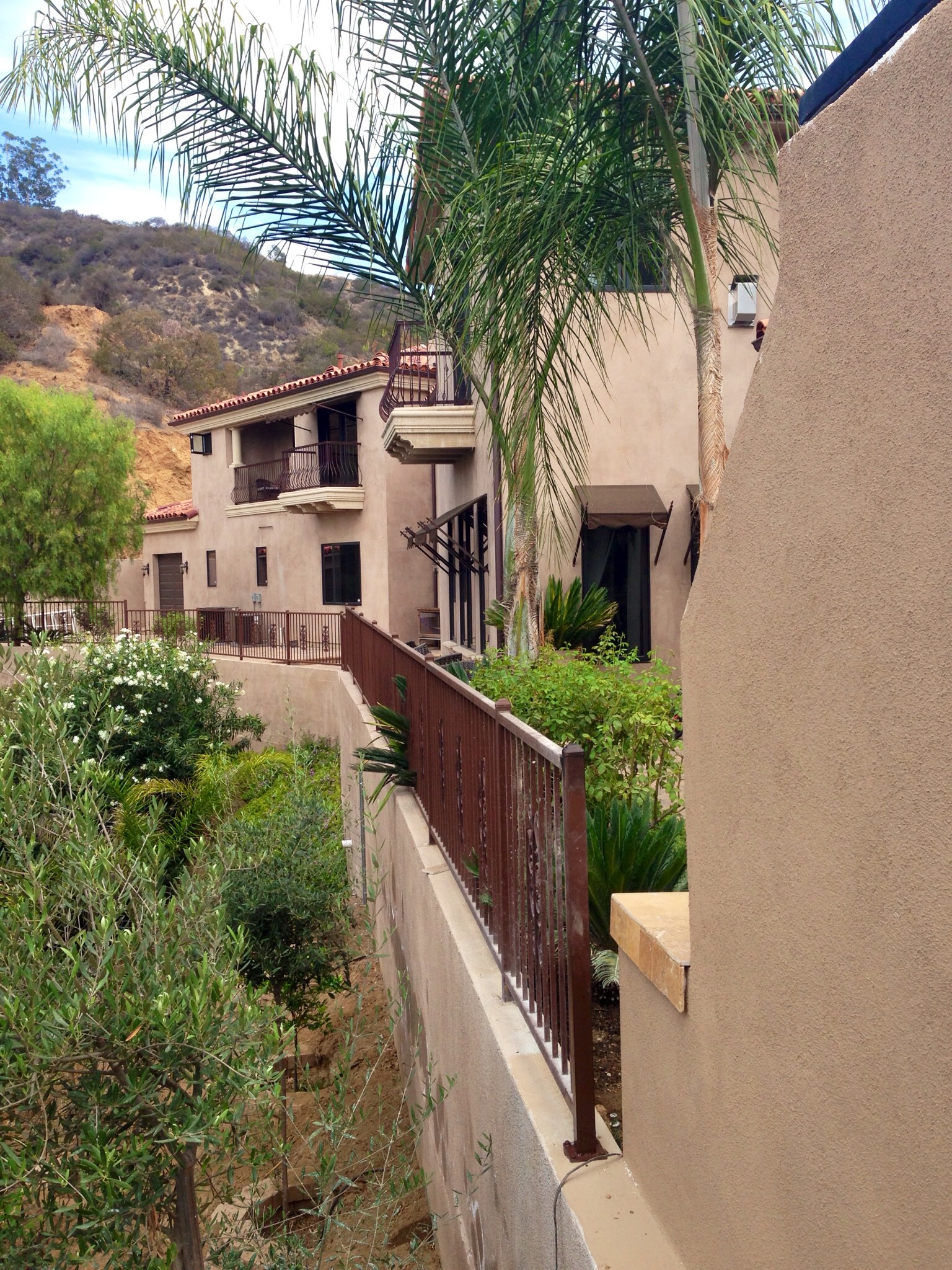
The images from January 2025 remain seared into our collective memory. The Palisades Fire tearing through Pacific Palisades and Malibu, the Eaton Fire devastating Altadena and Pasadena—two catastrophic wildfires that destroyed over 16,000 structures. As communities start rebuilding in the wake of this catastrophe, homeowners throughout Southern California face a critical question: how do we protect our homes from the next wildfire?
The answer lies in understanding what actually ignited most of those homes. While dramatic images of towering flames dominate news coverage, research shows that up to 90% of homes damaged in wildfires aren’t consumed by the main fire front. Instead, they burn from the inside out, ignited by something far smaller: wind-blown embers.
 The Hidden Threat: Understanding Ember Attack
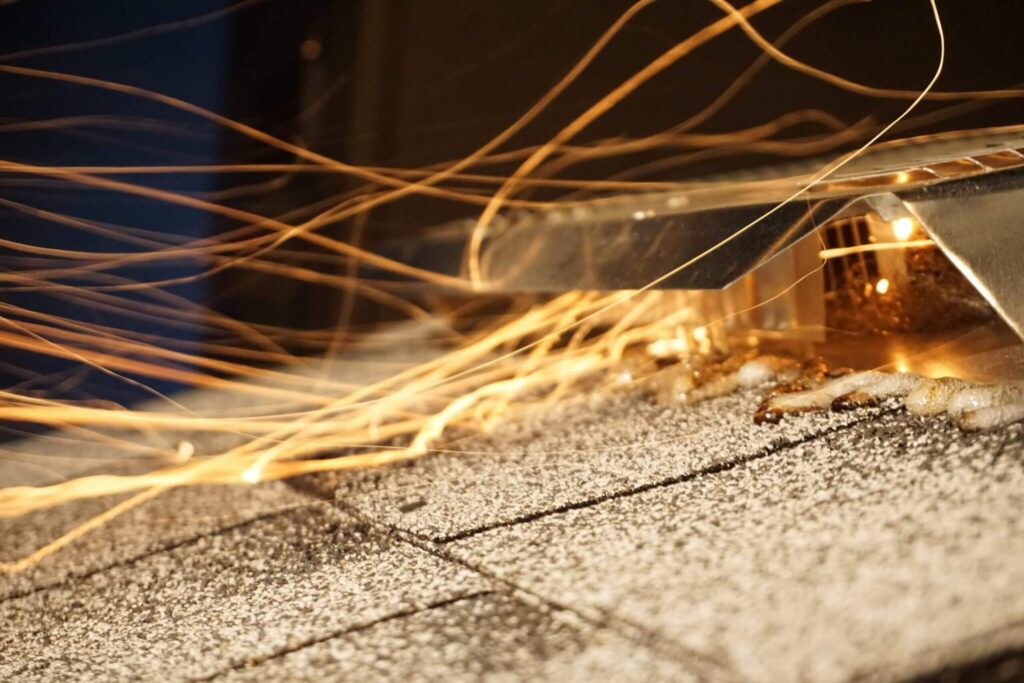
During a wildfire, powerful winds carry burning embers—small pieces of burning vegetation and debris—up to five miles from the active fire. These embers don’t need direct flame contact to destroy a home. They simply need an entry point and something combustible to ignite.
Your home’s ventilation system becomes a critical vulnerability. Every attic vent, soffit vent, foundation vent, and gable vent allows airflow—and during a wildfire, embers. Once inside an attic or crawl space, embers can smolder undetected until they ignite stored materials, insulation, or structural framing.
The neighborhoods affected by the Palisades and Eaton fires included many high-end properties with traditional venting systems. Despite quality construction and premium materials, these homes remained vulnerable at their ventilation openings.
How Ember-Resistant Vents Provide Protection
Ember-resistant vents represent a fundamental shift in how we approach wildfire defense. Unlike standard vents covered with common quarter-inch mesh screening—which proves ineffective at stopping small embers—certified ember-resistant vents employ multiple layers of protection specifically engineered to block ember intrusion while maintaining essential airflow.
These advanced venting systems, such as those offered by companies like Vulcan Vents and Brandguard (both available through retailers like architecturaldepot.com), utilize sophisticated designs that address the dual challenge of ventilation and protection.
Most ember-resistant vents feature a fine mesh screening system, typically 1/8-inch or 1/16-inch openings, as their first line of defense. This mesh is fine enough to block most wind-blown embers while still allowing adequate airflow for proper attic ventilation. The screening is constructed from corrosion-resistant materials like stainless steel or galvanized metal that won’t melt or burn when exposed to heat.
The most advanced systems go beyond mesh screening alone. Premium ember-resistant vents incorporate intumescent technology—a heat-activated coating applied to an internal honeycomb matrix. Under normal conditions, this honeycomb structure allows air to flow freely through the vent. However, when exposed to extreme heat (typically around 450 degrees Fahrenheit), the intumescent coating expands dramatically, sealing off the honeycomb cells completely and creating an impenetrable barrier against both flames and embers.
This dual-action approach provides protection during the different phases of a wildfire. The fine mesh screening works continuously to block ember entry during ember storms that can occur before, during, and after the main fire passes. The intumescent barrier activates if direct flames or intense radiant heat approach the vent, effectively shutting down this potential entry point entirely.
Additionally, many ember-resistant vents feature baffle systems—overlapping structures that create a tortuous path for air to follow. Any embers attempting to enter the vent must navigate multiple directional changes, significantly reducing their ability to penetrate into the attic or crawl space.
Why This Matters for Custom Home Construction
For homeowners building or rebuilding in fire-prone areas of Southern California—from the hillsides of Pacific Palasades, Malibu, Glendale and La Canada to the foothills of Altadena—ember-resistant vents aren’t just an upgrade; they’re an essential component of responsible construction.
California Building Code Chapter 7A already requires ember-resistant vents for new construction in Wildland-Urban Interface (WUI) areas. These vents must pass rigorous testing standards, including ASTM E2886, which evaluates their ability to resist ember and flame intrusion. Products meeting these standards are certified by the California State Fire Marshal’s Office.
For custom luxury homes, incorporating ember-resistant vents makes particular sense from multiple perspectives. First, these homes often feature extensive roof designs with numerous ventilation requirements—multiple gable vents, continuous soffit venting, ridge vents, and foundation vents. Each opening represents a potential vulnerability that must be addressed.
Second, the investment in a high-end custom home deserves comprehensive protection. Ember-resistant vents are relatively modest in cost compared to the overall construction budget, yet they provide disproportionate value in protecting the entire structure. While replacing siding, roofing, or windows represents major expense, retrofitting or installing proper venting during construction is straightforward and cost-effective.
Third, homes in desirable areas like Malibu, Pacific Palisades, Santa Barbara, and other Southern California coastal and foothill communities face elevated wildfire risk. These locations offer incredible natural beauty—often with proximity to wildland areas—which inherently increases fire exposure. Ember-resistant vents acknowledge this reality while allowing homeowners to live in these sought-after locations with greater peace of mind.
Installation Considerations and Locations
Comprehensive wildfire protection requires ember-resistant vents at every ventilation point around your home:
Soffit and eave vents are particularly critical, as they’re numerous and located where debris can accumulate. These horizontal vents should incorporate certified ember-resistant designs rather than simple mesh screening.
Gable vents, due to their size and vertical orientation, represent significant vulnerability. They’re particularly exposed to wind-driven embers and should utilize ember-resistant designs that have specifically passed testing for vertical applications.
Ridge and attic ventilation systems require careful selection, as not all ridge vent products offer adequate ember protection. Certified ember-resistant ridge vents maintain the necessary attic airflow while blocking ember entry.
For homes being rebuilt after the recent fires, this is the ideal time to ensure every vent meets current standards. For existing homes, retrofitting ember-resistant vents represents one of the most impactful home-hardening improvements available.
Triton’s Approach to Wildfire-Resistant Construction
At Triton Engineering Contractors, Inc., we’ve always believed that luxury construction means building homes that perform as beautifully as they appear. Following the devastating fires that affected our communities, we’ve deepened our commitment to incorporating comprehensive wildfire protection into every project in fire-prone areas.
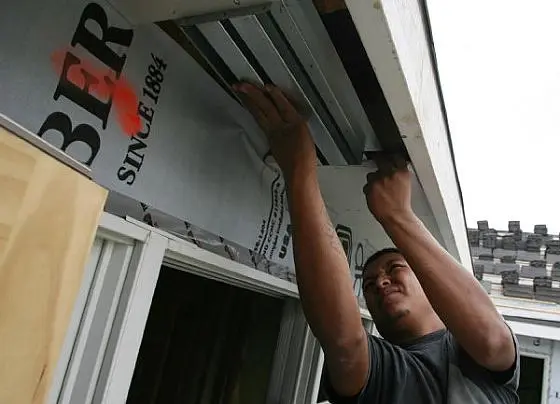
This means ensuring the certified ember-resistant vents specified in your architectural plans are installed correctly to maintain both fire protection and ventilation performance, and educating our clients about how these systems work. Since building code now requires ember-resistant vents in fire-prone areas, we focus on executing the design team’s specifications with precision and helping homeowners understand the protection these systems provide.
Our experience with complex hillside construction and premium building details positions us to implement these protective measures without compromise to aesthetic or functional goals. Whether we’re working on new construction or providing construction consulting services for rebuilds, ember-resistant vents are among the essential components we prioritize.
Beyond Vents: A Comprehensive Approach
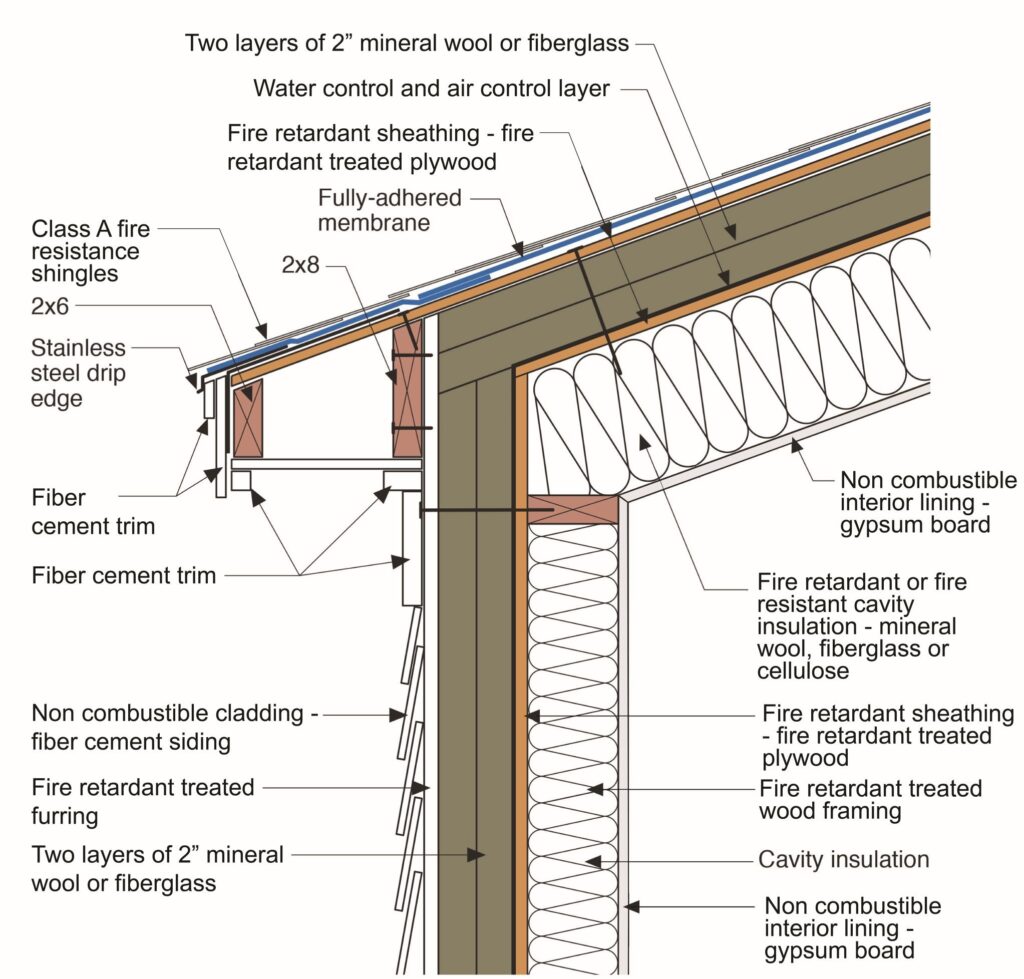
While ember-resistant vents are critical, they’re most effective as part of a comprehensive home-hardening strategy. This includes Class A fire-rated roofing materials, fire-resistant siding and trim, proper defensible space maintenance, and attention to other potential ember entry points like windows, doors, and deck construction.
For homeowners in Altadena, Pacific Palisades, Malibu, and throughout Southern California’s fire-prone communities, rebuilding presents an opportunity to construct homes that are significantly more resistant to the next wildfire. Current building codes and advances in fire-resistant materials make this the ideal time to incorporate comprehensive protective measures.
The January 2025 fires changed how we think about wildfire risk in Southern California. They demonstrated that no community is immune and that traditional construction approaches leave homes vulnerable. But they also revealed a path forward—one where thoughtful design, proper materials selection, and attention to details like ember-resistant vents can dramatically improve a home’s ability to survive the next wildfire.
Looking Ahead
As Southern California continues to face increased wildfire risk, the homes we build today must reflect our understanding of this threat. Ember-resistant vents along with other fire resistant components represent a relatively simple intervention that addresses a major vulnerability. Properly specified and installed ember-resistant vents provide critical protection for the entire structure and represent a smart investment in your home’s resilience.
Whether you’re rebuilding after loss, planning new construction in a fire-prone area, or looking to harden an existing home, properly specified and installed ember-resistant vents should be part of your strategy. They won’t make a home fireproof—no approach can guarantee that—but they significantly reduce the likelihood of ignition from the most common cause of wildfire home loss.
At Triton, we’re committed to helping our clients build homes that endure—beautiful, functional, and resilient. If you’re planning construction or rebuilding in fire-prone areas of Southern California, we’d welcome the opportunity for a discussion on how proactive measures like ember-resistant vents and comprehensive wildfire protection can be integrated into your project.
The communities of Altadena and Pacific Palisades are rebuilding with determination and hope. By incorporating the tragic lessons learned from these fires, we can construct homes that honor both the natural beauty of Southern California and the safety of the families who call these areas home.