
Building a custom home in Southern California is one of the most ambitious things a person can undertake. It is also, for most people, one of the most disorienting. Not because the goal is unclear — you know what you want — but because the distance between that vision and the finished home runs through hundreds of decisions, dozens of professionals, months of coordination, and a construction process that rarely unfolds exactly as planned. The homeowners who navigate it best are rarely the ones with the most experience. They’re the ones who have the right person standing beside them throughout.
That’s what an owner’s representative does. Not in an abstract, organizational-chart sense — but in the day-to-day, let-me-review-that-before-you-sign sense. Whether you’re building a primary residence, a second home in Montecito, or a vacation property along the Southern California coast, having someone genuinely in your corner changes the experience from the inside out.
The Gap Between Knowing What You Want and Knowing What to Do
Most homeowners who commission a custom home come in with a clear sense of what they’re after. They’ve thought about the flow of the rooms, the quality of the finishes, how morning light will move through the kitchen. What they haven’t spent years developing is fluency in construction documents, general and subcontractor bid analysis, schedule logic, or the particular language that trades use with each other when they’re trying to work around a problem without surfacing it to the client.
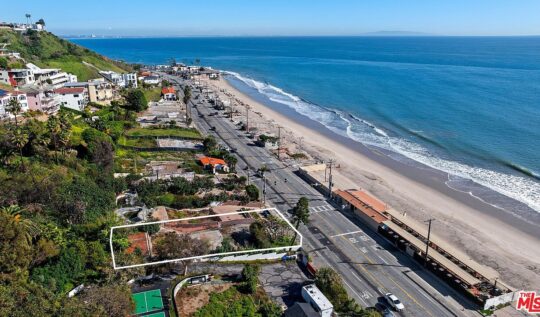
That gap — between knowing what you want and knowing what to watch for — is exactly where things can quietly go sideways on a project. Not through negligence or bad faith, but simply because construction is a technical discipline with its own rhythms, its own shorthand, and its own hierarchy of who gets heard. An owner without a trained advocate at their side is often the last person to know when a decision has been made that affects them. For homeowners who aren’t local to the project site — building a second residence in the hills above Santa Barbara while based in San Francisco, for example, or developing a vacation retreat in Malibu from across the country — that gap can widen considerably.
An owner’s representative closes that gap. They translate. They intercept. They make sure the decisions being made in the field align with the decisions the homeowner thought they were making at the design table — regardless of how many miles separate the owner from the jobsite.
The Most Important Hire You Make Before the Builder
One of the highest-stakes moments in any custom home build happens before construction begins: selecting the general contractor. This is a decision most homeowners approach the way they approach any major hire — a few referrals, a couple of interviews, a gut check. And while instinct matters, it’s rarely sufficient on a project of this scale.
An experienced owner’s representative brings a different lens to that evaluation. They know what to look for in a contractor’s license history, their bonding capacity, their financial stability, and the way they’ve handled projects of comparable complexity. They know how to read a bid — not just the bottom-line number, but what’s included, what’s excluded, and what’s been priced in a way that will create friction later. They can tell the difference between a low bid that reflects efficiency and a low bid that reflects incomplete scope.
The same scrutiny applies to the subcontractor team a general contractor brings to a project. In luxury custom home construction, the quality of the finish work, the mechanical systems, and the site supervision all trace back to the specific firms doing the work — not just the GC holding the contract. An owner’s rep who has worked across the Southern California construction market knows which subcontractors deliver consistently at the level this work requires, and which ones look good on paper until the pressure is on.
That vetting process, done well before a contract is signed, shapes the entire trajectory of the build.
What Advocacy Looks Like in the Pre-Construction Phase
Before the first wall goes up, the most consequential work of a custom home project is already underway. Plans are being finalized, permits are being processed, budgets are being locked, and decisions about materials, systems, and sequences are being made — often quickly, often without the homeowner fully understanding their downstream implications.
An owner’s representative is in those conversations. They review construction documents with the eye of someone who has seen what happens when a detail is ambiguous — not to find fault with the design, but to make sure that when the plans hand off from the architect’s desk to the field, nothing gets lost in translation. They flag where specifications need to be tighter, where allowances are underbudgeted relative to the homeowner’s actual expectations, where a coordination gap between the structural engineer and the MEP team could become a costly field fix later.
This kind of pre-construction engagement — unglamorous, deliberate, and deeply technical — is where a significant portion of a project’s outcome is actually determined. By the time the framing crew arrives, the most important work of protecting the homeowner’s investment has already been done.
Accountability in the Field, When It Matters Most
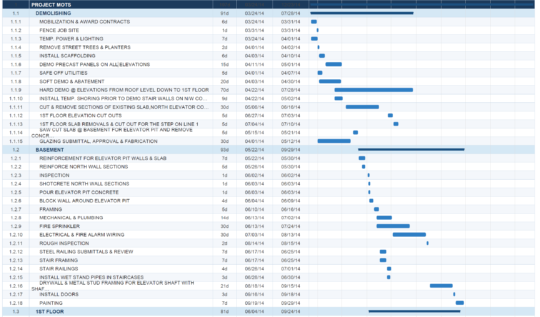
Once construction is underway, a custom home project becomes a living system — constantly in motion, constantly generating decisions that need to be made, documented, and executed correctly. Some of those decisions are small. Some of them aren’t. And on any given day, the general contractor, the subcontractors, and the design team are all operating with their own priorities, their own pressures, and their own interpretation of what the homeowner actually wants.
This is where physical presence becomes irreplaceable — and where the owner’s representative earns their role most visibly. For homeowners managing busy lives elsewhere, whether that means a primary residence in another city or a schedule that simply doesn’t allow for regular visits to a job site, a trusted representative on the ground is what makes informed oversight possible. They’re on site regularly — not as a formality, but as someone who knows the project intimately enough to notice when something doesn’t look right, when a substitution has been made without authorization, or when progress on one trade is about to create a conflict for another. They document what they see. They ask the questions the homeowner would ask if they had the technical fluency and proximity to ask them. They hold the line.
This kind of field accountability isn’t adversarial — it’s collaborative. The best general contractors and subcontractors work well with a knowledgeable owner’s representative because clear expectations and consistent communication make their jobs easier, not harder. It’s the projects with no one watching closely that tend to drift.
When Something Unexpected Happens
On every custom home build, something unexpected happens. A soil condition the geotechnical report didn’t fully capture. A lead time on a material that suddenly doubles. A design element that turns out to be unbuildable as drawn. These aren’t failures — they’re the nature of building something from scratch on a specific site under specific conditions. What separates a smooth project from a difficult one is often how quickly and clearly the unexpected gets resolved.
When a homeowner is navigating that moment without an advocate, they’re often hearing about a problem at the same time they’re being asked to approve a solution — a solution that has already been scoped, priced, and sometimes partially executed by the time it reaches them. That’s not a position of informed decision-making. That’s a position of managed surprise. For someone building a home or vacation property from a distance, the risk is compounded: by the time news of a complication travels through two time zones and a full schedule, decisions may already have been made on their behalf.
An owner’s representative changes that dynamic. They’re typically aware of a developing situation before it reaches the homeowner as a fully formed decision requiring an immediate answer. They have time to evaluate options, ask hard questions about cost and schedule impact, and present the homeowner with a real choice rather than a fait accompli. In a project where unexpected developments are a matter of when, not if, that early-warning function is invaluable.
Both Roles, One Team
At Triton Engineering Contractors, we occupy an unusual position in the Southern California custom home market. We build — taking on full general contracting responsibility for complex luxury projects across Los Angeles, Ventura, Santa Barbara, and Orange counties. But we also serve in a purely advisory capacity, acting as owner’s representative for homeowners who have already selected a builder and simply need a trusted technical advocate in their corner throughout the process.
That dual perspective shapes everything about how we approach this work. When we serve as an owner’s representative, we know exactly what a high-performing general contractor looks like from the inside — because we are one. We know where the pressure points are, where documentation tends to slip, where budget conversations can become uncomfortable if they’re not structured correctly from the start. With many years of hands-on construction experience across both commercial and residential projects, and that depth of exposure is what we bring to bear on behalf of every homeowner we represent.
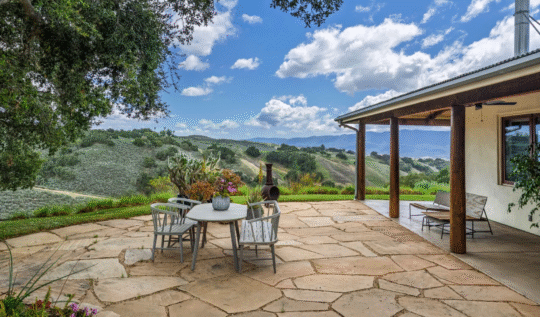
This role is particularly well suited to clients who are building at a distance — a second home in Hope Ranch, a vacation retreat near Malibu, a multi-generational property in La Cañada Flintridge they won’t be occupying full-time until the project is complete. Our team provides the consistent, professional presence on the ground that these projects require, with the communication structure to keep the homeowner fully informed and in control from wherever they are.
If you’re in the planning stages of a custom home build in Southern California — or already mid-project and feeling like you could use a steadier hand on the wheel — we’d love to have a conversation. Building a home is one of the most significant things you’ll ever do. Having the right person in your corner makes all the difference.