 There is a version of building a custom home that homeowners imagine before they begin — the architect presents the drawings, the builder takes over, and some months later the finished house appears. It is a clean, satisfying arc. And it bears only a passing resemblance to what actually happens.
Between the final set of approved construction documents and the day a family walks through the front door of their new home lies a continuous, high-stakes exercise in coordination, anticipation, and decision-making. Dozens of trades, hundreds of material deliveries, thousands of individual tasks — each one dependent on what came before it and consequential to what comes next. This is the terrain of construction management, and it is where a custom home project is either made or quietly compromised.
At Triton Engineering Contractors, we think of this role the way a conductor thinks about an orchestra. The music was written by the composer. The musicians are extraordinarily skilled. But without someone at the front of the room who understands every instrument, holds the tempo, and hears the whole piece while it is being played — what you get is noise. Construction management is the difference between noise and something worth living in.
More Than a Schedule
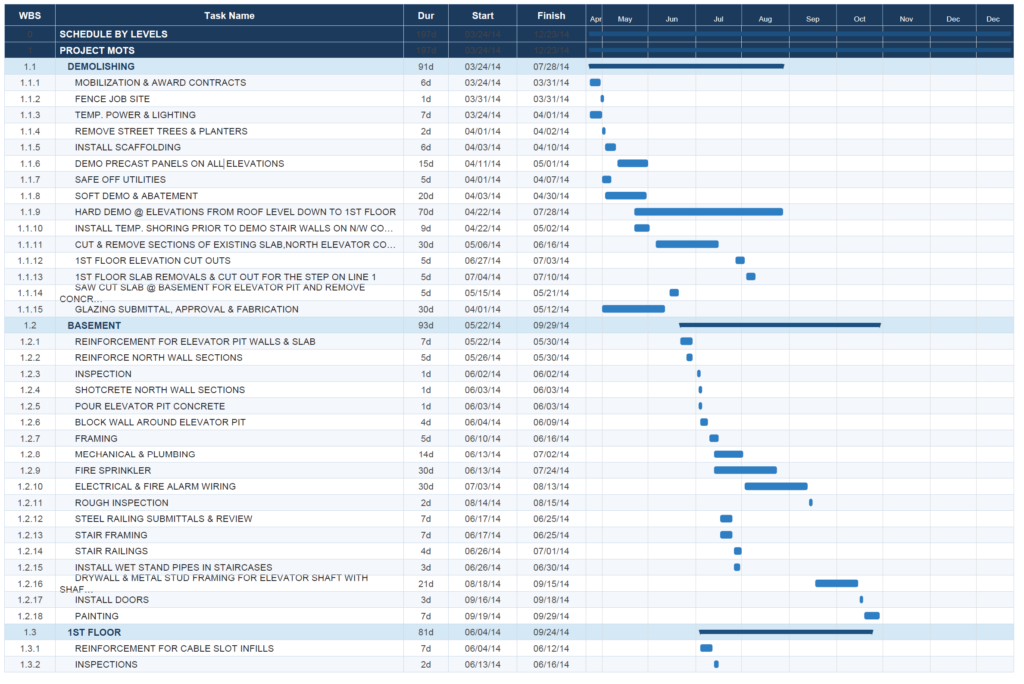
There is a common misconception that construction management is fundamentally a scheduling exercise — get the framing crew in, get them out, bring the plumbers in behind them. A well-run schedule matters, of course. But treating construction management as calendar management misses nearly everything that makes it valuable.
What great construction management actually requires is the ability to read a project in real time: to walk a job site and see not just what is happening, but what is about to happen and what could go wrong if it does. It requires understanding how a change in one trade’s scope creates a ripple three steps down the sequence. It requires knowing when to push a subcontractor and when to absorb a delay rather than force a sequence that will cost more to fix later.
This kind of judgment cannot be reduced to a checklist. It has to be built into the people overseeing the work — their training, their experience, and the standards they are held to. At Triton, that starts at the top. Artin, our founder, brings 30 years of hands-on construction experience spanning commercial and residential work, and this intricate knowledge of the process creates a culture of good judgment and coordinated execution by the entire Triton team. The project managers and superintendents carry those same standards into the field every day. The pattern recognition that prevents problems does not live in one person — it lives in a management culture that was built around it.
For homeowners in San Marino, Bel Air, or La Cañada Flintridge building homes at the highest level of finish and complexity, this distinction matters enormously. The homes we build are not forgiving of improvisation. The details — the stone transitions, the custom millwork integrations, the mechanical systems concealed within finely crafted walls — demand that the work be sequenced correctly and coordinated precisely the first time.
The Daily Work of Keeping a Build in Tune
A well-managed project has a rhythm to it, and maintaining that rhythm is an active, daily discipline — one that requires qualified people on the ground, not just oversight from a distance.
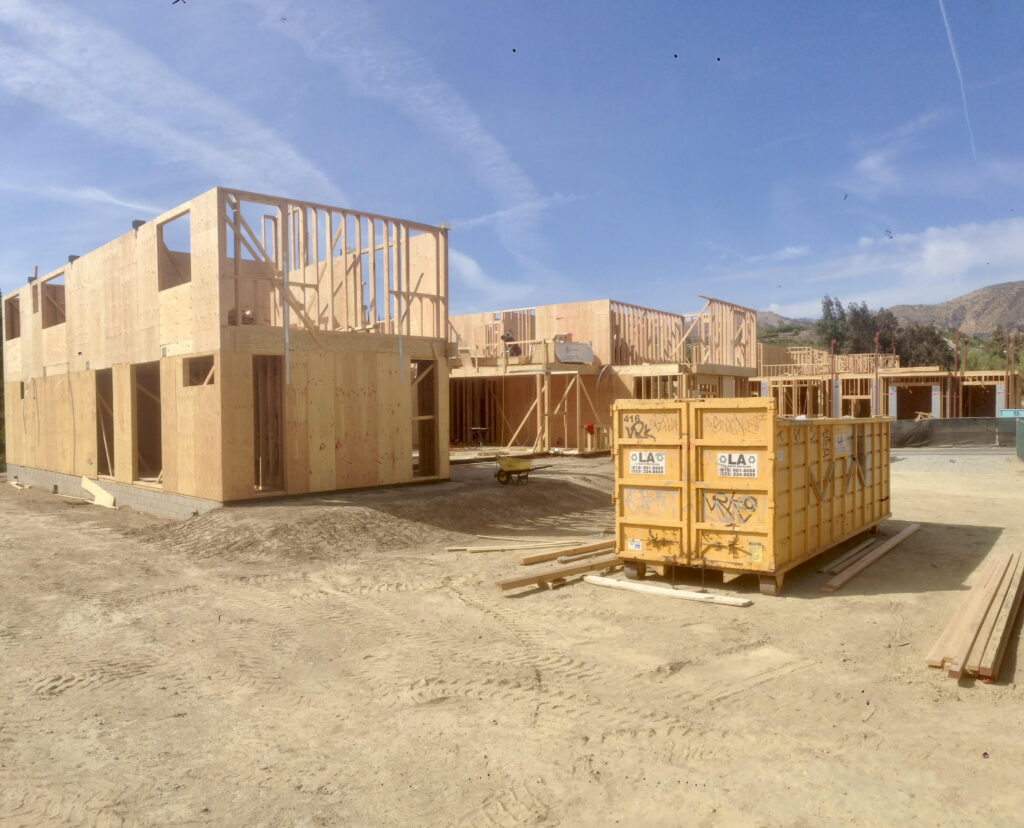
Site presence is the foundation. Each Triton project is assigned a dedicated superintendent whose job is to be on site consistently — not just for milestone inspections, but as a daily presence. When a qualified eye is on the work at every stage, problems surface sooner, decisions get made faster, and the standard of execution holds. Subcontractors perform differently when they know a knowledgeable builder is engaged and paying attention, not as an act of surveillance, but as an expression of investment in the outcome. Our project managers carry that same engagement into every coordination meeting, RFI, and conversation with the design team. And Artin remains actively involved at the leadership level — setting direction, reviewing progress, and stepping in wherever his experience is needed most.
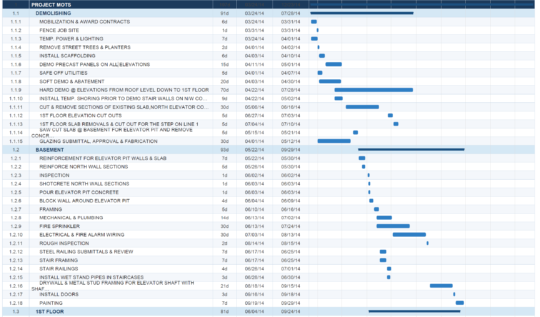
Trade coordination is the second layer. On a custom home, you may have anywhere from fifteen to thirty specialty subcontractors whose work overlaps, intersects, and depends on each other. The structural steel and rough framing coordination must happen before any other trade can work in the vertical. The mechanical, plumbing, and electrical rough-in has to be complete and inspected before the rough framing inspection can occur and the insulation crew can close walls. Add fire suppression to that sequence and you can see the complexities that cause bottlenecks when management is lacking. The tile setter needs a properly prepared substrate before a single piece of stone is set. Managing these sequences requires ongoing communication, clear expectations, and the authority to make real-time adjustments when conditions on the ground change — all of which demands a management team with the experience to recognize what matters and the confidence to act on it.
Communication with the homeowner is the third pillar. Our clients are building significant, deeply personal and complex projects. They deserve to know what is happening. We consistently communicate with progress updates making sure that the pertinent parties are well informed of the project — what was accomplished, what is coming next, and anything that warrants their awareness. This cadence does two things simultaneously: it keeps the homeowner informed and confident, and it creates accountability across our entire team. When you know a summary is going out consistently, everyone is paying close attention every day of the week.
Documents, Decisions, and the Chain of Clarity
A custom home generates an enormous volume of paperwork — and the management of that paperwork is far more consequential than it might appear.
Requests for Information (RFIs) are the formal mechanism by which the field asks the design team for clarification on the drawings. Every custom home produces them. A discrepancy between the architectural drawings and the structural plans, a material specification that requires interpretation, a condition in the field that was not anticipated on paper — all of these generate RFIs that require a response before work can proceed. A well-managed project logs every RFI, tracks its status, and ensures that answers come back quickly so that the field is never idling unnecessarily.
Submittals are the process by which materials and products proposed by the contractor are reviewed and approved by the design team before they are ordered and installed. For a luxury custom home, the submittal process is extensive — stone samples, hardware selections, custom millwork shop drawings, mechanical equipment specifications. Managing this process rigorously means the right products arrive at the right time, and nothing is installed that hasn’t been formally approved.
Change orders deserve particular attention. In any construction project, changes happen. Field conditions, design refinements, owner-initiated upgrades — these are normal parts of the process. What separates a well-managed project from a problematic one is not the absence of changes, but the discipline with which they are handled. Transparency is key in this area — proper understanding of scope and communication is essential to make sure that change orders are properly approved and executed in the field.
Triton’s extensive commercial construction background gives us a distinct advantage across all of this. The document control discipline required on large commercial projects — rigorous RFI logs, formal submittal processes, structured change order management — is precisely what we bring to every custom home we build. Most residential builders never develop these systems at scale. We built our practice around them.
For homeowners building in Pacific Palisades, Beverly Hills, or Brentwood — where projects can involve significant custom work and long lead-time materials — this level of document discipline is not bureaucratic overhead. It is the infrastructure that keeps a complex project coherent from groundbreaking through closeout.
What This Means for Your Home
When you engage a builder who truly manages construction — rather than simply supervising it — the impact on the finished home is tangible, even if the work itself is largely invisible.
The vision stays intact. One of the most common ways a custom home loses its way is through the accumulation of small compromises — a substitution made without proper review, a detail resolved in the field without checking the drawings, a sequence executed out of order that forces a workaround down the line. Active construction management is what prevents this drift. When someone is paying close attention at every stage, the design intent that was established in the architect’s drawings is what actually gets built.
The budget behaves. A project without strong management tends to expand in ways that are difficult to trace and difficult to control. Changes get made verbally. Costs are added informally. The homeowner reaches the end of the project with a final number that feels disconnected from the original budget set. Rigorous documentation and transparent communication make the budget a living, legible document throughout the build — not a mystery that reveals itself at the end.
The move-in is clean. Punch lists on poorly managed projects can run to hundreds of items: things that were missed, things that were installed incorrectly, things that worked at rough-in but failed by the time the walls were closed. A project managed with discipline and daily attention arrives at substantial completion with a short, manageable list — because problems were caught and corrected throughout, not catalogued at the end.
This is the outcome that great construction management delivers: a home that matches what was designed, a process that honored the homeowner’s investment, and a move-in that feels like the beginning of something rather than the resolution of a prolonged ordeal.
Built to the Standard the Plans Deserve
At Triton, we have always believed that a beautiful set of construction documents deserves an equally committed and skilled hand to bring them to life. The design work that goes into a luxury custom home in Southern California — the architectural vision, the interior design, the landscape plan — represents years of thought and significant investment. Our job is to make sure that investment is realized fully, not approximately.
Construction management at this level is not a service we offer separately from our building work. It is the building work. Every project we take on is managed with the same intensity, the same daily presence, and the same commitment to transparency that we would want if we were the ones writing the check.
If you are planning a custom home in the Los Angeles area and want to talk through what a well-managed build actually looks like from the inside, we would welcome the conversation.