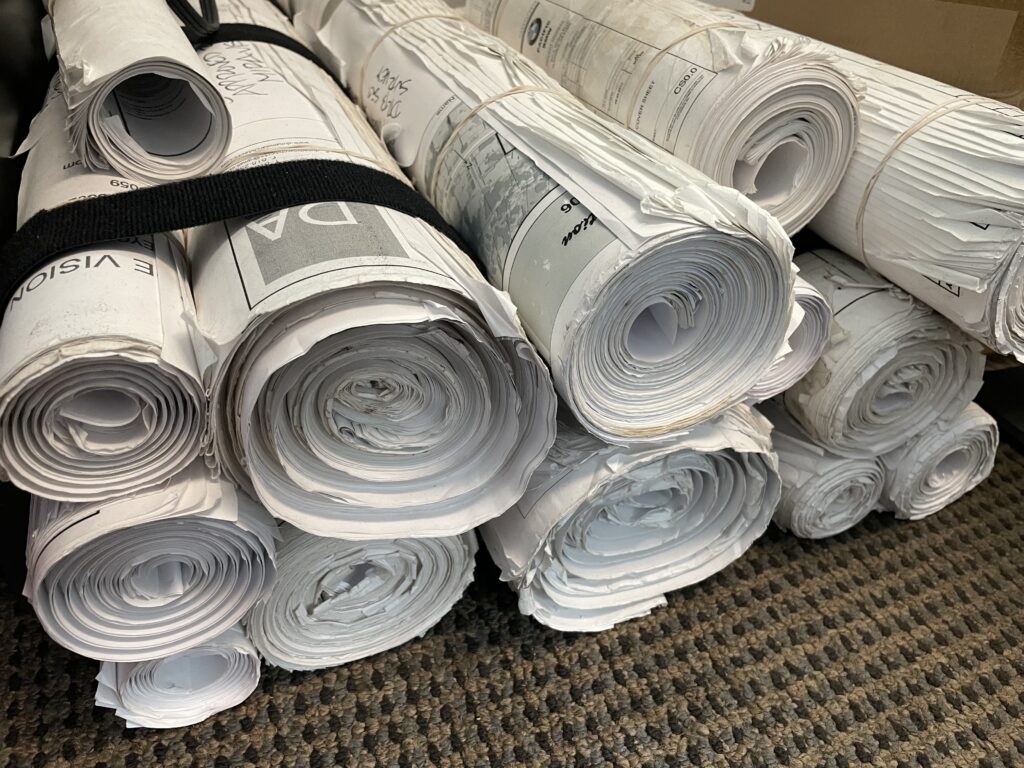
 When you envision your dream custom home in the hills of Malibu, La Canada or the estates of Bradbury, you’re thinking about soaring ceilings, seamless indoor-outdoor spaces, and finishes that reflect your personal style. What you’re probably not thinking about is the intricate coordination required between dozens of technical drawings that will bring that vision to life.
Yet behind every successful luxury custom home project lies a carefully orchestrated symphony of architectural plans, structural engineering drawings, MEP (mechanical, electrical, and plumbing) systems, interior design details, and countless construction specifications. In luxury home construction, interior designers add another critical layer to this coordination—their detailed millwork drawings, lighting plans, fixture specifications, and finish schedules must align with the architectural and engineering documents. When these documents work together seamlessly, your project flows smoothly.
At Triton Engineering Contractors, we’ve spent over a decade navigating the complexities of construction documentation across some of Southern California’s most challenging projects. With nearly three decades of personal construction experience—particularly in the commercial construction environment which demands exceptional understanding of construction documents and control—we are able to take luxury custom home construction to the next level. Through our preconstruction and owner’s representation services, we’ve learned that the difference between a frustrating construction experience and a successful one often comes down to how well these technical documents are coordinated before the first shovel breaks ground.
If you’re beginning a custom home project and want to ensure proper document coordination from the start, contact us to discuss how we can help.
Understanding the Blueprint Ecosystem
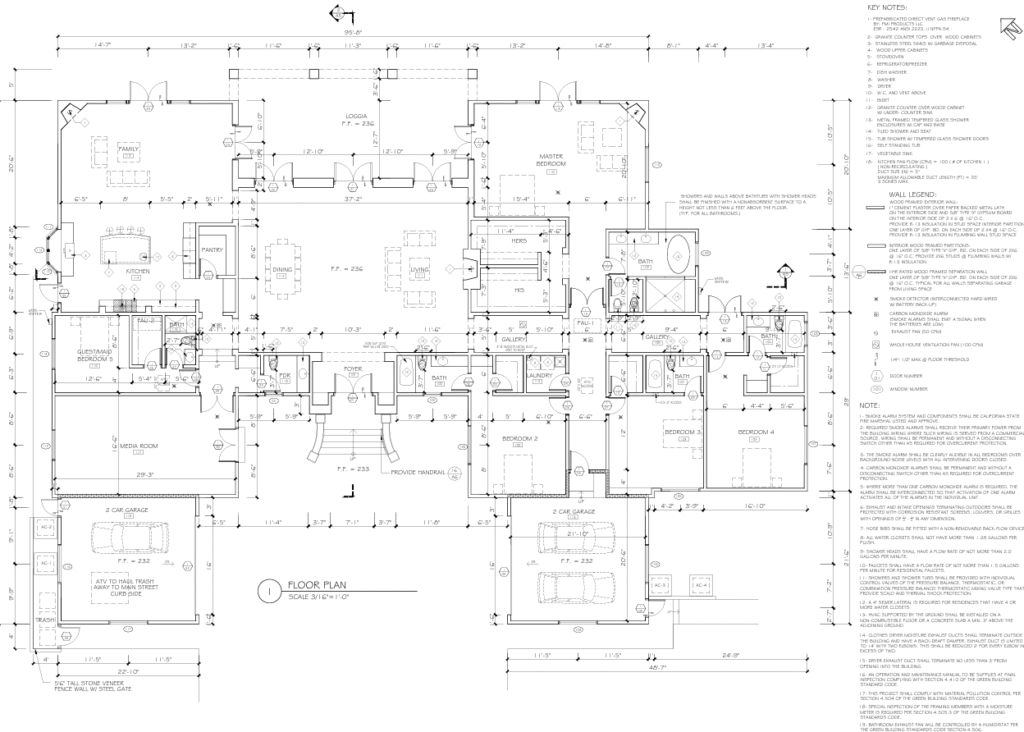
Most homeowners are familiar with architectural blueprints—the drawings that show floor plans, elevations, and how your home will look and function. What many don’t realize is that architectural drawings are just one piece of a much larger puzzle.
Architectural drawings communicate the design vision: room layouts, ceiling heights, window locations, material selections, and aesthetic details. These are the plans you’ve likely reviewed extensively with your architect, the ones that capture your excitement about the project.
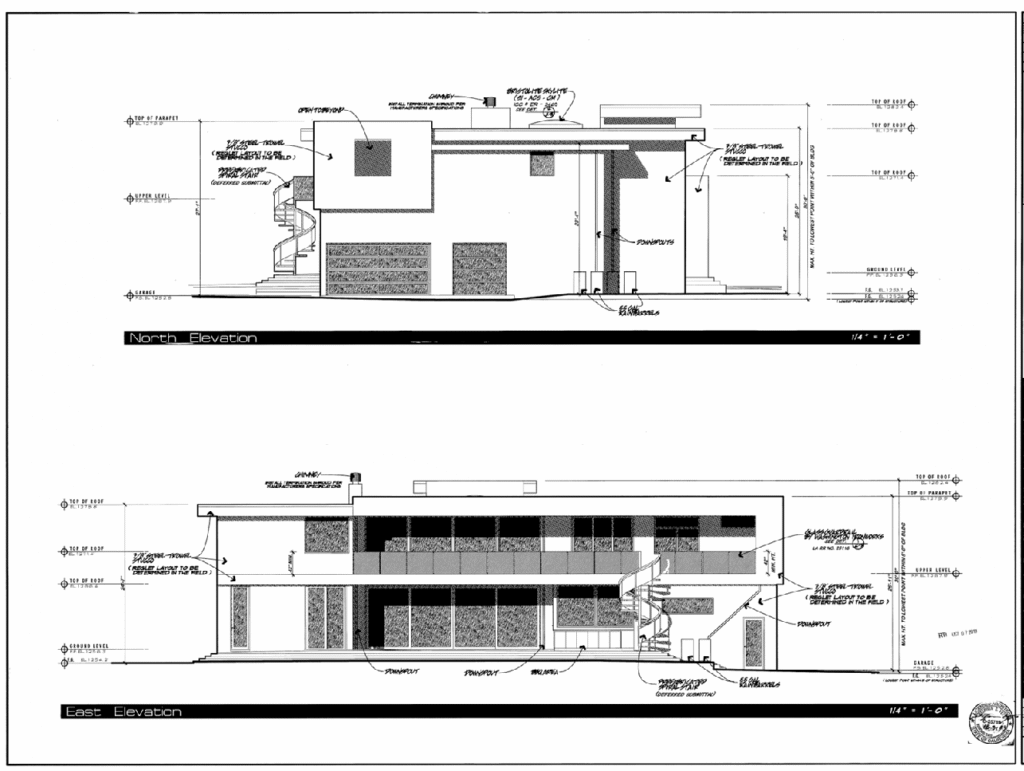
Structural engineering drawings tell a different story—they show how your home will stand up against gravity, wind, and seismic forces. In Southern California, where hillside construction and earthquake considerations are paramount, these drawings detail foundation systems, retaining walls, beam sizes, connection details, and the hidden framework that supports the architectural vision.
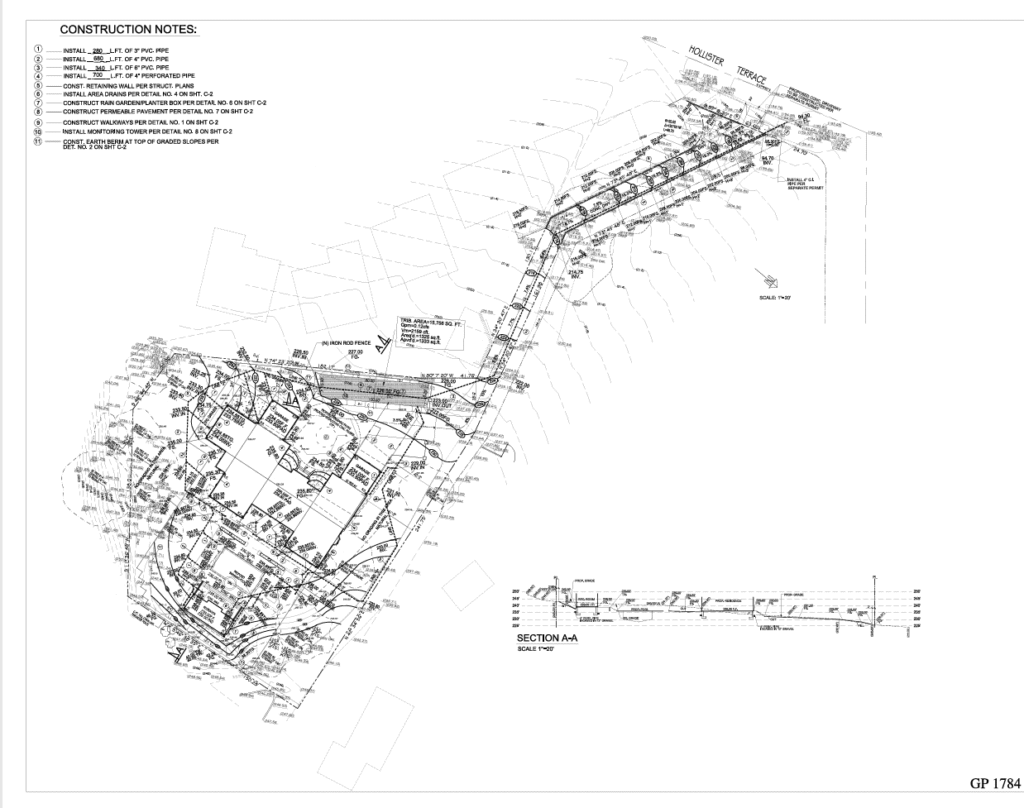
MEP drawings map out the mechanical, electrical, and plumbing systems that make your home livable and comfortable. These plans show HVAC duct routing, electrical panel locations and circuit paths, plumbing supply and waste lines, and increasingly, smart home infrastructure and energy management systems.
Each discipline—architecture, structural engineering, MEP—works within its own technical language and priorities. Therein lies the challenge: these separate sets of plans must ultimately describe the same physical building, occupying the same three-dimensional space.
The Power of Collaborative Coordination
The beauty of a well-coordinated project is watching talented professionals work together to create something exceptional. Your architect brings creative vision and deep understanding of how spaces should function and feel. Your structural engineer ensures that vision can be built safely and elegantly. MEP engineers design the systems that make your home comfortable and efficient. Your interior designer adds layers of refinement and detail that elevate the entire experience.
Each brings specialized expertise that’s essential to the project’s success. The key is bringing these perspectives together early and often, creating a collaborative environment where coordination happens naturally rather than as an afterthought.
In a typical luxury custom home project, you might have over 100 sheets of drawings across all disciplines. Within those drawings are thousands of individual dimensions, specifications, and details. The challenge isn’t that conflicts exist—it’s that without proactive coordination, they’re discovered too late to address efficiently.
How Preconstruction Coordination Works
This is where preconstruction services and owner’s representation become invaluable partners to your design team. Rather than waiting until construction begins to discover how different systems interact, preconstruction brings a construction-focused perspective to the table while the project is still on paper.
During preconstruction, we work alongside your design team, systematically reviewing how different systems come together. We’re asking questions like: How will these structural beams be installed given the site access? Do the mechanical systems have clear installation paths? Are the architectural details buildable with the specified materials? How do the interior design elements integrate with the rough construction?
This isn’t about finding fault—it’s about leveraging construction expertise to make the design team’s work even better. Architects and engineers appreciate having a constructability review that helps them refine their documents before construction begins. It’s much easier to adjust a line on a drawing than to redesign something in the field.
As both owner’s representative and builder, we bring a unique perspective—we’re reviewing documents knowing that we’ll be the ones building from them. This dual role creates powerful accountability and ensures that our coordination efforts are grounded in real-world construction experience.
Building Team Synergy
The most successful projects we’ve been part of share a common characteristic: genuine collaboration between all team members from the earliest stages. When we serve as both owner’s representative and builder, coordination becomes seamless—there’s no handoff between the preconstruction review and actual construction.
We facilitate this collaboration by bringing everyone’s perspective into focus. The architect might design a beautiful detail, the structural engineer ensures it’s sound, the MEP engineer routes systems around it, and we help verify that it can all be built as intended—then we’re the ones who actually build it to those exacting standards.
This integrated approach means that the constructability insights we provide during preconstruction aren’t theoretical—they’re grounded in decades of field experience and real-world construction realities. Our trade partners benefit from the thorough coordination we establish with the design team, and the design team benefits from working with a builder who is invested in the coordination process from day one.
The Value of Experienced Coordination
Nearly three decades of construction experience—particularly in demanding commercial environments where document control is critical—gives us a unique vantage point. We know what details will work smoothly in the field and which might create challenges. We understand how trades interact and where coordination is most critical.
This experience helps us ask the right questions during preconstruction. We’re looking at the same spaces from multiple perspectives: Can the structural system be built as shown? Do mechanical systems have clear paths that don’t conflict with structure or architecture? Are electrical and plumbing rough-ins coordinated with structural framing? How do fire sprinkler systems integrate with ceiling designs and structural elements?
When we identify coordination opportunities—areas where adjustments would benefit the project—we work with your design team to develop solutions collaboratively. Often this leads to details that are not only better coordinated but also easier to build and more cost-effective, without compromising the design vision.
Coordinated Documents Create Better Projects
Well-coordinated construction documents reflect the input of all team members. Plans between disciplines align in terms of reference points and dimensions. Systems are detailed with adequate space for installation. The sequencing of construction is considered in how elements are specified and shown.
When everyone has contributed to the coordination process, the documents become a true roadmap for construction. Questions are answered on paper rather than improvised in the field. Trade partners can focus on craftsmanship and quality rather than solving challenges that could have possibly been addressed during the design stage.
This level of coordination also creates better communication throughout construction. When issues do arise—and some always will given site conditions or other factors—the team has already established collaborative working relationships. Resolution happens faster and with better outcomes because trust and communication patterns are already in place.
Triton’s Integrated Approach
Our preconstruction and owner’s representation services are built on collaboration, enhanced by the fact that we’re also builders. We position ourselves as your advocate and partners to your design team, bringing construction expertise that complements their design skills while maintaining accountability for the actual construction that follows.
This integrated approach means we’re invested in getting the coordination right from the beginning. When we identify coordination opportunities during preconstruction, we’re thinking about how we’ll execute the work. When we suggest refinements or alternative approaches, they’re based on our direct experience building similar details in similar conditions.
We provide inputs that document our findings and recommendations, but more importantly, we facilitate the conversations that lead to coordinated solutions. These discussions often reveal opportunities for enhancement or value engineering that benefit from having the builder’s perspective at the table during design.
As your builder, we maintain the coordination established during preconstruction throughout construction. We help address field conditions and refinements as they arise, always working with the design team to ensure solutions align with the original intent while meeting the practical demands of construction.
The Relationship Advantage
Successful coordination depends as much on relationships and communication as it does on technical expertise. We’ve built longstanding working relationships with many of Southern California’s architects, engineers, trade partners and vendors. These relationships are built on mutual respect and the understanding that we’re all working toward the same goal.
When coordination discussions arise—and they will on any project—having established relationships means we can have direct, productive conversations. There’s trust that everyone’s input is valued and that the focus is always on finding the best solution for the project.
Making Coordination Work for Complex Projects
The value of collaborative coordination increases with project complexity. Hillside sites with challenging access and complex foundation requirements benefit enormously from early coordination between all team members. Premium finishes and systems require careful integration planning. Smart home infrastructure needs to be coordinated across multiple disciplines. Maybe your vision also includes a 12,000 gallon salt water aquarium, where will the piping and filtration system go? How will it be supported?
These challenges are exactly where our experience becomes most valuable. We’ve worked through countless complex coordination scenarios across luxury residential and commercial projects. We know where to look, what questions to ask, and how to facilitate productive discussions that lead to well-coordinated solutions.
Questions That Foster Collaboration
If you’re planning a custom home project, consider these questions for your team:
How does your builder approach coordination with design disciplines? Is your builder involved during preconstruction or only after documents are complete? What process exists for constructability review before construction begins? Who facilitates communication between team members during design? How are coordination decisions documented and tracked?
The answers will reveal how integrated your project approach is and the value of working with a builder who serves as owner’s representative from preconstruction through completion.
Moving Forward with Confidence
Your custom home represents a significant investment of resources, time, and emotional energy. The construction documents that guide its creation should be as carefully crafted and thoroughly coordinated as the home itself.
At Triton Engineering Contractors, our preconstruction and owner’s representation services ensure that coordination happens proactively, constructability is verified before construction begins, risk is mitigated as much as possible and your interests are protected throughout the process. As both your owner’s representative and your builder, we bring nearly three decades of complex construction experience to every document review, anticipating issues before they become problems and facilitating solutions that maintain your vision—then executing that vision with the same attention to detail.
Whether you’re just beginning the design process or have completed construction documents ready for permit issuance, we can help evaluate your construction documents and provide insights that will benefit your project. Our goal is simple: ensuring that the beautiful vision in those architectural renderings becomes reality without the frustration that poor coordination creates.
When construction begins on your hillside estate or coastal retreat, you should feel confident that your best interests are the top priority of every decision made. That confidence comes from trusting that thorough preconstruction coordination and experienced owner’s representation was in the foundation of every conversation and the outcome should always be a successful luxury custom home project that you can be proud of.
Since 2011, Triton Engineering Contractors, Inc, has brought decades of construction expertise to Southern California’s construction market, specializing in complex luxury hillside projects, deep foundations, and challenging custom home construction throughout LA County. Contact us to discuss how our preconstruction, construction or owner’s representation services can benefit your custom home project.https://tritonec.com/contact/