
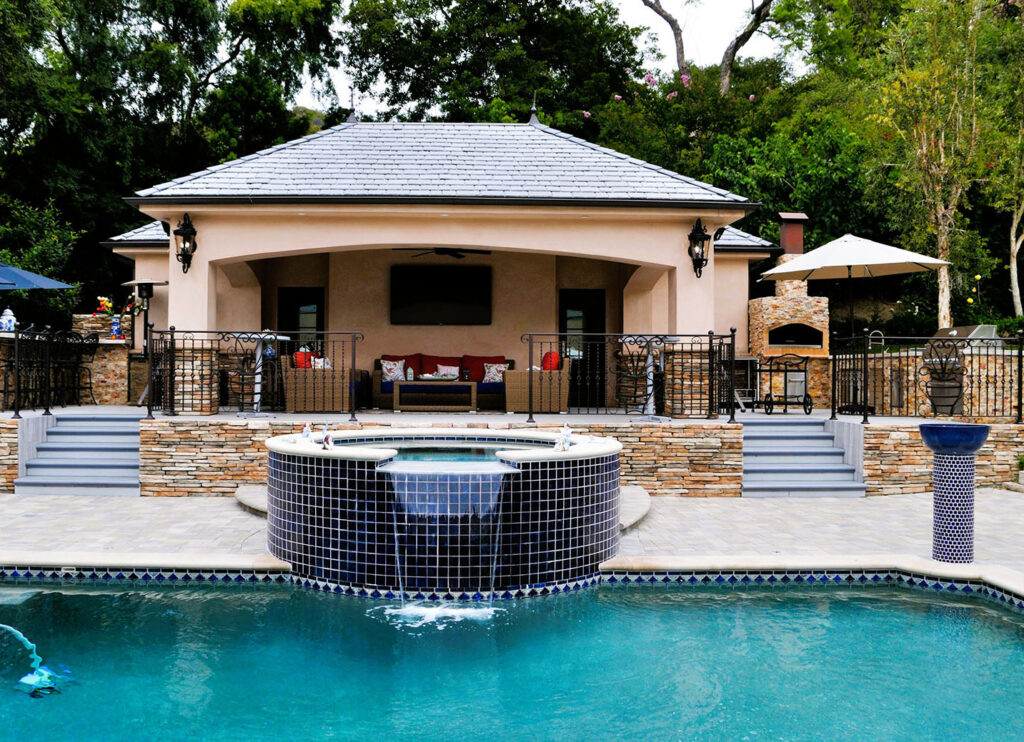
Southern California’s temperate climate offers a lifestyle advantage that defines the region’s most exceptional estates: the ability to dissolve the boundaries between interior and exterior spaces entirely. For discerning homeowners building custom residences in premier communities, seamless indoor-outdoor design isn’t simply an amenity—it’s the foundation of California living at its finest.
After years of building distinguished homes throughout Southern California’s most sought-after communities, we’ve observed that the residences which truly stand apart are those where indoor-outdoor integration is conceived as part of the home’s fundamental design rather than added as an afterthought. The distinction lies in understanding both the sophisticated design principles and the exacting construction details that create this seamless experience.
The Southern California Advantage
The Mediterranean climate defining Southern California’s distinguished communities creates an environment where outdoor living spaces function as genuine extensions of the home throughout the year. This climatic privilege translates to exceptional value—a thoughtfully designed loggia or covered terrace becomes as essential to daily life as any interior room.
When conceived and executed with precision, these spaces achieve seamless integration where the transition from interior to exterior feels utterly natural.
Architectural Glass Systems: Where Engineering Meets Elegance
The hallmark of truly seamless indoor-outdoor design is the elimination of visual and physical barriers between spaces. This is where architectural glass systems transcend conventional sliding doors to become defining architectural elements.
Premium manufacturers like Fleetwood and La Cantina have engineered systems that represent a fundamental departure from traditional approaches. Multi-slide and pocket door configurations can span openings of thirty feet or more, with frame profiles measuring mere inches and glass panels reaching ten feet in height.
The engineering sophistication proves remarkable yet invisible in daily use. Precision-machined aluminum extrusions, stainless steel roller assemblies, and calibrated counterweight mechanisms allow substantial panels to glide effortlessly with a gentle touch. When fully retracted, panels stack with minimal visual intrusion or disappear entirely into wall pockets, creating an opening that feels like the complete removal of a wall.
Slender frame profiles maximize glass area and preserve unobstructed sightlines. From any vantage point, the installation recedes from consciousness, directing attention to the seamless flow between spaces rather than the mechanism facilitating that connection.
These systems command premium investment, yet for estates where indoor-outdoor living defines the architectural vision, the value delivered in daily experience and property distinction justifies the consideration.
Design Principles for Seamless Integration
Creating genuinely integrated indoor-outdoor environments requires sophisticated attention to how spaces relate visually and functionally.
Floor plane transitions warrant particular consideration. The most refined designs eliminate level changes entirely. We employ flush threshold details with architectural glass systems, creating an uninterrupted plane flowing from interior to exterior. Achieving this requires meticulous coordination—exterior paving positioned with exacting precision, impeccable waterproofing and drainage systems, and glass installations executed to demanding tolerances.
Material selections play a defining role in unifying spaces. Premium materials that perform equally in both environments—large-format porcelain tile, honed natural stone, polished concrete—can extend continuously or establish visual harmony across transitions. Maintaining complementary palettes ensures graceful connections.
Ceiling planes that continue from interior to exterior further dissolve boundaries. A coffered ceiling flowing from living space to covered loggia draws the eye naturally through the transition and reinforces covered outdoor areas as genuine extensions of interior rooms.
Covered Outdoor Environments: Extending Comfort Year-Round
While Southern California’s climate proves exceptionally generous, refined outdoor living spaces require thoughtful protection from elements. Covered loggias, pavilions, and terraces extend functionality throughout the calendar, transforming outdoor areas into spaces rivaling any interior room.
Generous overhangs—typically eight to twelve feet—provide solar control and weather protection while preserving airiness. Ceiling heights that echo adjacent interior proportions reinforce the perception of covered outdoor areas as genuine architectural rooms.
Sophisticated climate control elevates these spaces significantly. Radiant heating elements, integrated fire features, or architectural fireplaces extend evening use throughout the year. Well-designed heating transforms covered outdoor living rooms into spaces that rival interior gathering areas for daily use.
Ceiling-mounted fans provide circulation and gentle cooling, making warm afternoons comfortable while maintaining the open-air quality that defines outdoor living.
Outdoor Culinary and Dining Pavilions
A thoughtfully designed outdoor kitchen elevates al fresco entertaining from casual cookouts to sophisticated culinary experiences. Rather than shuttling between interior kitchen and exterior spaces, the entire progression from preparation to presentation to dining unfolds in a seamless outdoor setting.
The scope of these installations varies considerably based on lifestyle and entertaining patterns. Serious outdoor cooking environments might incorporate professional-grade grills, pizza ovens, refrigerated storage, dedicated prep zones, and full bar facilities. The key lies in designing systems aligned with actual use rather than impressive but underutilized equipment.
We advocate for covered or partially covered placements for outdoor kitchens. Weather protection extends the service life of premium appliances while ensuring functionality during occasional inclement weather.
Adjacent dining pavilions create natural gathering spaces for everything from intimate family meals to larger entertaining. A generously proportioned dining table sheltered by a refined pergola or covered terrace becomes the social heart of the home during temperate months—and in Southern California’s benevolent climate, that encompasses much of the year.
Landscape Architecture and Hardscape Integration
The connection between architecture and landscape completes the indoor-outdoor narrative. Hardscape elements—terraces, pathways, retaining walls, water features—should express the same design language as the residence while defining functional outdoor rooms that feel purposeful rather than merely decorative.
Meticulous grading and drainage engineering ensures these spaces remain pristine and functional. Terraces require precisely calibrated slopes, comprehensive drainage solutions, and structurally sound substrates. Executed properly during initial construction, these systems function invisibly for decades. Compromised execution creates persistent issues that prove expensive and disruptive to remedy.
Landscape architecture works in concert with built elements to define spatial hierarchies and create privacy without sacrificing openness. Thoughtfully scaled walls and planters establish zones while preserving views and light. Strategically selected trees provide dappled shade and natural screening. Well-placed lighting extends usability into evening hours while highlighting architectural features and specimen plantings.
The most sophisticated landscape designs appear effortless yet serve clear functional purposes—carefully positioned trees moderating afternoon sun exposure, evergreen screening providing year-round privacy, drought-tolerant native and Mediterranean plantings creating lush environments suited to Southern California’s climate and water considerations.
Illumination Design Across the Diurnal Cycle
Lighting design for integrated indoor-outdoor environments must perform with equal sophistication during both daylight and evening hours. During the day, the objective involves maximizing natural illumination while controlling solar heat gain and glare. The expansive glass areas characteristic of premium architectural systems flood interiors with natural light, yet without thoughtful solar control, direct exposure can create uncomfortable conditions.
Architectural overhangs, pergola structures, and shade elements moderate direct solar penetration while preserving abundant daylight. The depth and orientation of these features should respond to solar geometry throughout the year.
Evening illumination transforms exterior spaces while maintaining visual continuity with interior environments. Well-designed lighting systems employ layered strategies for flexibility—overhead fixtures in covered areas providing ambient illumination, accent lighting highlighting architectural elements and landscape features, and lower-level lighting along pathways and steps ensuring safe navigation while contributing to overall ambiance.
When interior and exterior spaces share comparable light levels after dark, the seamless connection between them persists into evening hours. Dimmable interior lighting systems allow precise calibration of light levels to maintain that integration as natural light fades.
Integrating Systems During Construction
Exceptional indoor-outdoor environments require comprehensive coordination during design development and construction phases. Unlike interior modifications that might be addressed in later phases, these features demand structural accommodation, sophisticated drainage engineering, utility infrastructure, and precise integration with the building envelope from the outset.
Installing architectural glass systems like these demands accurately dimensioned rough openings, engineered structural headers, and stable, level substrates prepared to precise tolerances. Tolerances must be followed precisely—any deviation affects operational performance and compromises the system’s intended functionality.
Covered outdoor structures require proper structural engineering. Beams, columns, and connections must accommodate both static loads from roofing materials and dynamic loads from wind and weather events. If the design incorporates ceiling fans, radiant heaters, or substantial lighting fixtures, the structure must provide adequate support and blocking for secure mounting.
Electrical, plumbing, and gas infrastructure for outdoor kitchens and living pavilions must be installed during initial construction phases. Attempting to add these utilities post-construction necessitates cutting through finished materials, potentially compromising waterproofing systems, and typically results in visible surface-mounted installations. Proper planning ensures concealed, code-compliant systems that function seamlessly.
The Indoor-Outdoor Lifestyle Realized
When indoor-outdoor environments are conceived with architectural clarity and executed with precision, they fundamentally transform the residential experience. Daily life expands beyond conventional boundaries to embrace Southern California’s most compelling lifestyle advantage.
The investment in architectural glass systems, thoughtfully designed covered pavilions, and integrated landscape architecture delivers compounding value throughout ownership. These aren’t features that generate momentary appreciation—they’re environments that enhance daily living and define the character of truly exceptional residences.
For distinguished custom estates in Southern California, seamless indoor-outdoor integration represents the very essence of why discerning homeowners choose this region—a climate and landscape that invite living beyond conventional boundaries, creating residences that feel expansive, connected, and profoundly in harmony with their setting.
At Triton Engineering Contractors, we’ve collaborated with discerning clients throughout Southern California’s premier communities to create indoor-outdoor environments that elevate the residential experience. From architectural glass systems to covered pavilions and sophisticated landscape integration, we bring the technical expertise and attention to craft that distinguished projects demand. For those envisioning a custom estate where indoor-outdoor living defines the design vision, we welcome the opportunity to discuss how we might bring that vision to fruition.