 There is a version of smart home integration that happens at the end of a construction project — after drywall is closed, after paint is on the walls, after the millwork is installed. Devices get surface-mounted, wires run through surface-mounted conduit, speakers get tucked into places that weren’t quite designed for them, and the result functions well enough. But it does not look or perform the way it would have if the same technology had been planned from the beginning. The difference between a smart home that was designed in and a smart home that was added on is visible to anyone who knows what to look for — and more importantly, it is felt by the homeowner every day they live in it.
Luxury custom homes deserve better than an afterthought. For homeowners building in Southern California — whether in Beverly Hills, La Cañada Flintridge, or along the Malibu coast — the expectation is a home where technology serves the architecture and the lifestyle seamlessly, without evidence of compromise. Achieving that outcome requires one thing above almost everything else: planning that begins at framing, not at move-in.
The Infrastructure Behind the Experience
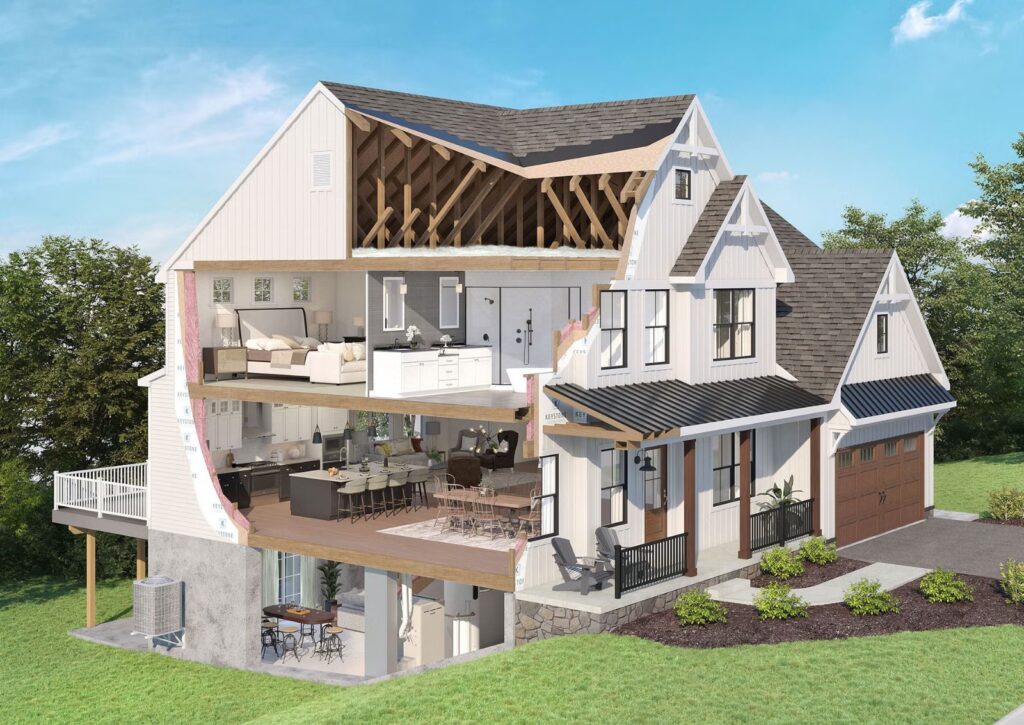
What most homeowners see of a smart home system is the surface layer — the touchscreens, the motorized shades, the lighting scenes that shift as afternoon turns to evening, the distributed audio that follows you from room to room. What they rarely see is the infrastructure that makes all of it possible: the conduit runs embedded in walls, the wire chases designed into the structure, the equipment rooms sized and climate-controlled to house the electronics that power it all, the network backbone that carries data across every corner of the home.
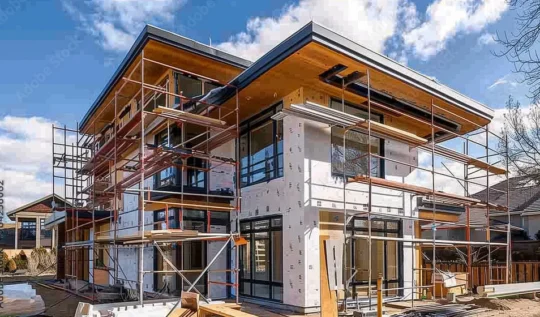
That infrastructure is what gets built during framing. Once the walls are closed and the ceilings are finished, accessing it becomes expensive and disruptive — sometimes impossible without significant demolition. The window for doing it right, affordably and invisibly, is the framing phase. And that window closes faster than most homeowners realize.
This is true for every category of home technology: structured wiring and network distribution, whole-home audio and video, motorized window treatments, lighting control, HVAC automation, security and access systems, and the emerging category of AI-assisted home management systems that continue to evolve. Each of these systems has an infrastructure layer that belongs inside the walls — and that infrastructure needs to be specified, coordinated, and roughed in before the drywall crew arrives.
Why Framing Is the Critical Window
Framing is when a home is most accessible and most flexible. Walls are open, ceilings are exposed, and running conduit or pulling wire through any part of the structure is a relatively straightforward task. A low-voltage contractor working during framing can coordinate directly with the electrician, the HVAC contractor, and the plumber to route their infrastructure without conflict — sharing chases, identifying coordination issues before they arise, and ensuring that every system has the pathway it needs through the structure.
The same work attempted after drywall requires fishing wire through closed cavities, cutting into finished surfaces, and patching around the results. In a luxury home with high-end plaster finishes, book-matched stone feature walls, or elaborate millwork, the disruption of retrofitting technology infrastructure is not just inconvenient — it can compromise finishes that cannot be perfectly restored. The cost of doing it right at framing is a fraction of the cost of doing it over after the fact.
For homeowners who are not local to their Southern California project — those managing a Montecito build from the Bay Area or overseeing a Bel Air residence from out of state — this phase requires particular attention. Decisions that seem like they can wait often cannot. Having a construction manager on the ground who is tracking the framing schedule and coordinating the low-voltage contractor’s access window is what ensures the opportunity is not missed.
Coordinating the Integrator with the Trades
Smart home integration is a specialty trade, and like every specialty trade, it does not operate in isolation. The low-voltage integrator’s work intersects with the electrical contractor at every panel, junction box, and device location. It intersects with the HVAC contractor wherever thermostats, sensors, and damper controls are involved. It intersects with the millwork team at every in-wall speaker grille, every shade pocket, and every control panel location. It intersects with the structural and framing team wherever in-wall equipment enclosures or AV rack rooms need to be coordinated.
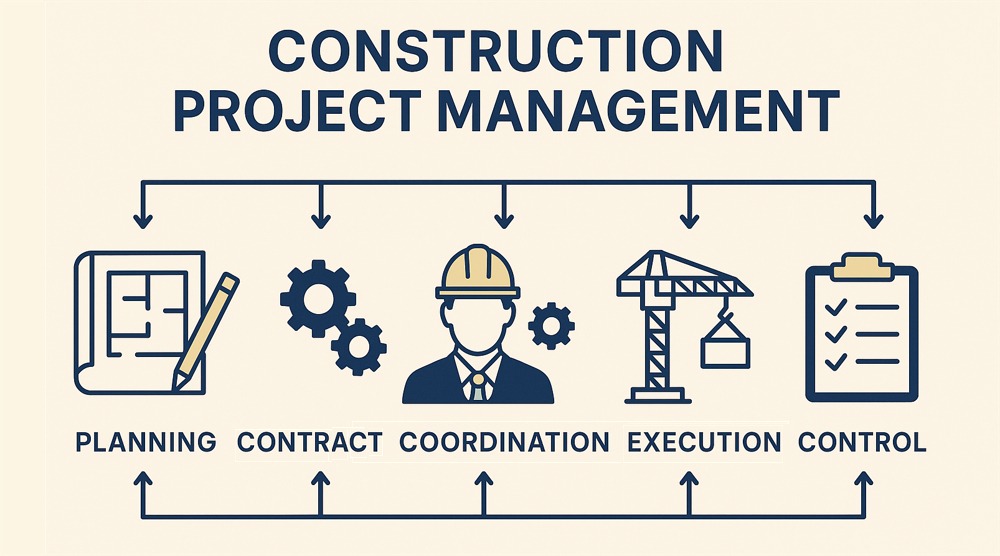
Managing all of those intersections requires a project-level coordinator who understands the sequencing of each trade, can schedule the integrator’s rough-in window within the broader construction schedule, and can identify and resolve conflicts before they result in rework. This is construction management work — the same oversight that keeps every other specialty trade on track applied specifically to the technology systems that modern luxury homes depend on.
When an integrator is brought in late or left to coordinate independently, these intersections get managed reactively rather than proactively. The result is often a technology system that works but carries the marks of late-stage compromise — a speaker that is slightly off-center because the framing didn’t accommodate the ideal location, a control panel that breaks the symmetry of a wall because no one reserved space for it during design, a network equipment room that is undersized because its footprint was determined by what was left over rather than what was needed.
Planning for What You Don’t Know Yet
One of the most valuable aspects of early smart home planning is not just accommodating the systems you know you want — it is building in the capacity for systems you have not yet decided on, or that do not yet exist in their current form. Technology evolves rapidly, and a home that is being designed and built today will likely be lived in for decades. The infrastructure decisions made during framing will either enable or constrain every technology upgrade that happens in the years ahead.
This means running more conduit than seems immediately necessary. It means sizing the network infrastructure room generously. It means designing structured wiring distribution points throughout the home rather than concentrating everything in a single location. It means thinking about power availability at every location where technology might eventually live — outdoor entertaining areas, garage spaces, secondary structures — and building in the infrastructure to serve those locations even if the specific application is not yet determined.
Experienced construction managers who have overseen sophisticated custom home builds know where these provisions pay dividends and where they can be scaled back without consequence. That judgment — knowing what to invest in early and what can reasonably wait — is part of what pre-construction planning and active owner’s representation brings to a project.
The Systems That Require Early Decisions
While every technology system benefits from early planning, several require decisions that must be made before specific construction phases are complete.
Structured wiring and network distribution needs to be designed before electrical rough-in begins, because the two systems share pathways and panel locations that must be coordinated. Whole-home audio with in-ceiling or in-wall speakers requires framing coordination for enclosures and wire pathways before insulation goes in. Motorized window treatment pockets — the recesses in ceilings or soffits that allow shades to disappear when raised — must be framed in advance; they cannot be added after drywall without significant reconstruction. Lighting control systems require coordination with the electrical contractor on dimmer-compatible circuits and control wiring before rough-in is complete.
Home theater and dedicated media rooms require acoustic consideration during framing — decoupled wall assemblies, floating floor systems, and ceiling isolation that must be designed into the structure. A wine cellar with a precision cooling system requires dedicated circuits, specific wall assemblies for thermal performance, and drainage provisions that are structural decisions, not finish decisions. Each of these represents a conversation that needs to happen early, with the right specialists at the table, while the answers can still be implemented cleanly.
What Seamless Integration Feels Like When It’s Done Right
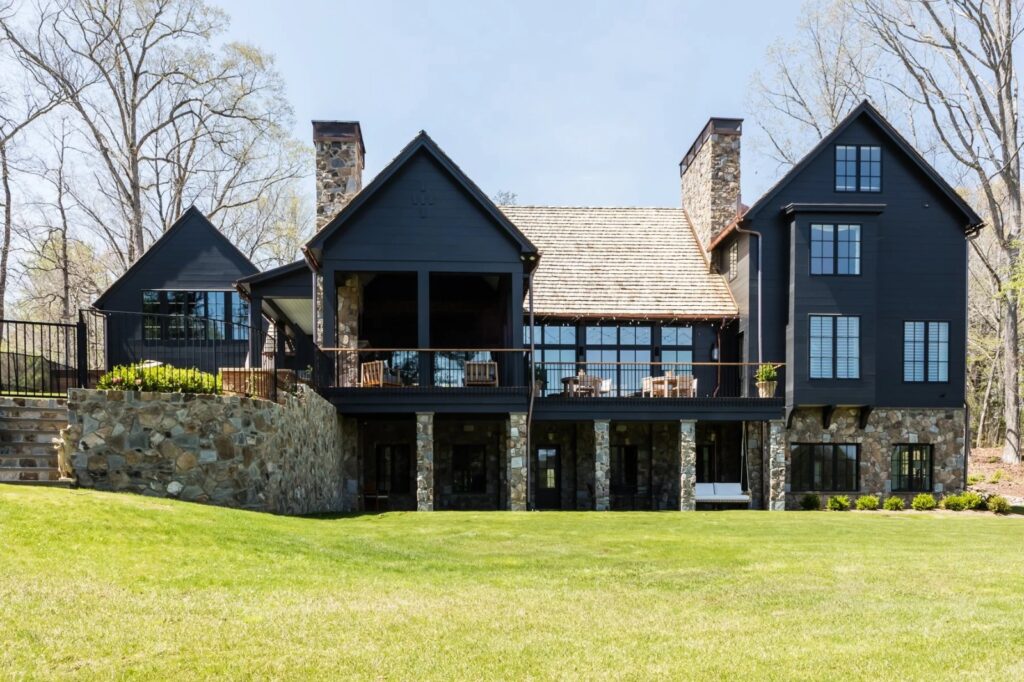
In a home where technology has been thoughtfully integrated from the beginning, the systems are nearly invisible. Speakers disappear into ceilings. Shades retract into pockets that appear to be part of the architecture. Lighting transitions happen so naturally they read as the quality of the light itself, not as the operation of a control system. The network is fast and consistent everywhere in the home, including in outdoor spaces and accessory structures. Every system works together because it was designed together — not assembled from components that each had to find their own way into a finished home.
This is the standard that luxury custom homes in Southern California’s most discerning neighborhoods are held to. It is achievable. But it requires that the technology conversation begin at the right moment in the process — during design and pre-construction, while the home is still being drawn and the structure is still being planned. By the time framing begins, the decisions should already be made. By the time the walls close, the infrastructure should already be in place.
The homes that get this right are the ones where the planning was deliberate from the start.
Frequently Asked Questions
When should a smart home integrator be brought into a custom home project? During the design phase, ideally before construction documents are finalized. The integrator needs to coordinate with the architect on device locations, equipment room sizing, and architectural integration points — all of which affect the drawings. Bringing them in at framing is workable; bringing them in after drywall significantly limits what is possible.
What is structured wiring, and why does it matter? Structured wiring refers to a standardized, centrally distributed network of data, audio, video, and control cabling throughout the home. It provides the backbone for every connected system and is far easier and less expensive to install during construction than to retrofit afterward. A well-designed structured wiring system also makes future upgrades and additions substantially easier.
Can smart home systems be added after construction is complete? Yes, and it is done regularly — but with meaningful limitations. Wireless systems can reduce the need for in-wall wiring, but they introduce their own constraints around performance, reliability, and aesthetic integration. Systems that benefit most from in-wall infrastructure — in-ceiling audio, motorized shade pockets, lighting control, whole-home networking — are never as cleanly implemented after the fact as they are when planned from the beginning.
How does a construction manager help with smart home integration? By coordinating the integrator’s schedule and scope within the broader project — ensuring their rough-in windows are protected, their infrastructure intersects cleanly with other trades, and their equipment spaces are properly planned. The CM acts as the owner’s representative in those coordination conversations, so the homeowner’s technology priorities are represented at the project level throughout construction.
Triton Engineering Contractors oversees the full construction process for luxury custom homes across Los Angeles, Ventura, Santa Barbara, and Orange counties — including the coordination of specialty systems that define how a home performs for decades. If you are planning a custom home and want to understand how technology integration fits into the broader construction process, we would welcome the conversation. Reach out here.