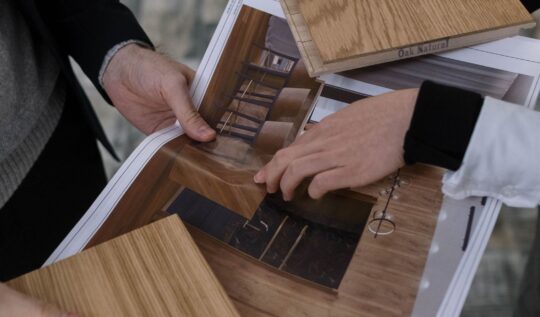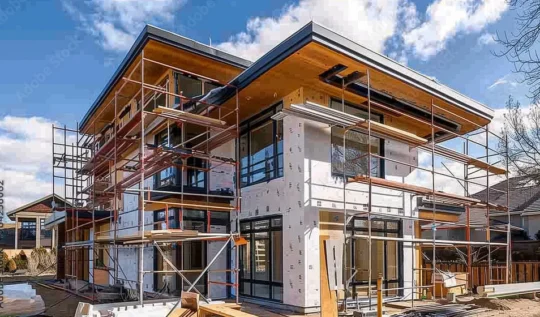
Most people picture construction management as something that happens on a jobsite — progress being tracked, work being inspected, schedules being pushed forward. And that’s a real part of the work. But for an owner’s representative, some of the most important and impactful work happens long before any construction begins. It happens during planning, design, and pre-construction — the phases that set the tone for everything that follows.
The decisions made in the early stages of a custom home project are the ones that are hardest to reverse later. How the team is assembled, how the project is scoped and budgeted, how the permitting strategy is structured — these are foundational choices that shape every phase of the project downstream. An owner’s representative engaged early is in a position to help the owner navigate all of it with clarity and confidence, from the moment a property is identified through the day a shovel first enters the ground.
It Often Starts With the Land
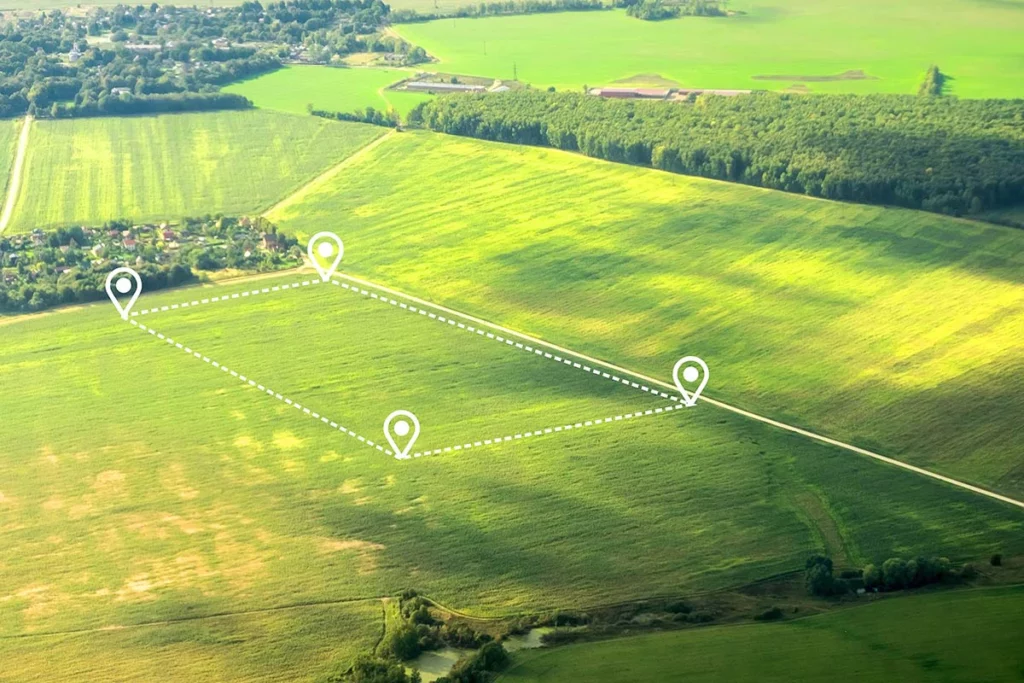
The earliest point at which an owner’s representative can add meaningful value is before a property is even purchased. Land acquisition is a decision that carries enormous downstream implications for what can be built, how long it will take to permit, and what the full project will ultimately require. Yet it’s a stage many owners navigate without professional construction guidance.
An owner’s representative can help evaluate a prospective site with a builder’s eye — assessing zoning conditions, easements, topography, soil conditions, utility access, and any entitlement challenges that could affect the project’s feasibility or timeline. Understanding those conditions before committing to a purchase allows the owner to make an informed decision, and in some cases, to negotiate terms that reflect what the site will actually require to develop.
This is one of the earliest and most impactful services an owner’s representative provides, and it’s a stage where good guidance is genuinely rare. A steep hillside lot in Bel Air, a coastal parcel in Malibu, or an acreage property in Hope Ranch each carries its own technical questions that aren’t obvious from a listing photo. Knowing what those questions are — and getting answers before a purchase closes — can save an owner from inheriting a site that fights the project from day one.
Assembling the Right Team for the Right Project
Once a site is secured, the next critical phase is team selection. The architect, the engineers, the specialty consultants — the people brought onto a custom home project each bring their own experience, working styles, and areas of strength. The goal is not simply to find qualified professionals, but to assemble a team that is the right fit for what this particular project requires.
Every project has its own character. A home that is architecturally ambitious and technically complex calls for a design team with demonstrated experience at that level. A project in a jurisdiction with a demanding entitlement process may benefit from consultants with specific local knowledge. A home with sophisticated technology systems, a subterranean component, or unusual structural demands needs the right engineers in the room from the beginning.
An owner’s representative brings an independent perspective to that selection process — one focused entirely on what the project needs. They can help the owner evaluate candidates thoughtfully, facilitate interviews, and structure the team in a way that sets the project up for success before the first drawing is produced. Getting this right early matters, because a well-matched team tends to move through design with far less friction than one still finding its footing once drawings are underway.
Establishing a Realistic Budget During Pre-Construction
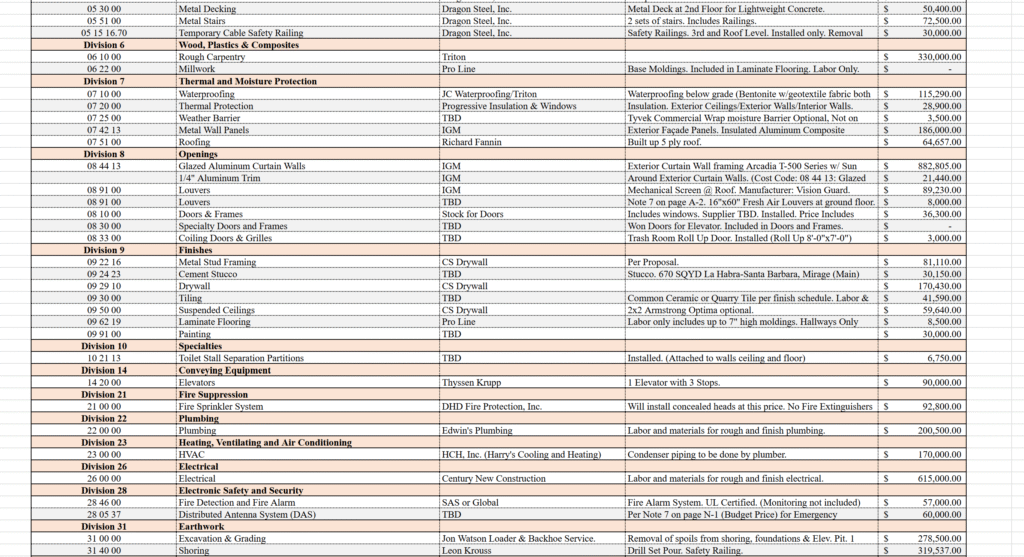
One of the most valuable things an owner’s representative does during pre-construction is help build a project budget that reflects reality — not an optimistic early estimate, but a number that accounts for the work as its being designed.
Custom home budgets are frequently built too early and too narrowly. They capture the construction cost as a rough estimate but miss the full range of soft costs — design fees, engineering, specialty consultants, permit fees, entitlement costs, contingency, and the owner-direct purchases that don’t flow through the contractor. By the time all of those costs become visible, the gap between what was expected and what the project actually costs can feel significant, even when nothing has gone wrong — the early number simply didn’t capture the whole picture.
An owner’s representative works with the owner during pre-construction to build a budget that tracks the project as it’s being designed. As the design evolves, that budget evolves with it — tracking how decisions made during design affect the projected cost of construction, and keeping the owner informed throughout so that nothing comes as a surprise when the project goes out to bid.
Navigating Permits and Entitlements
Permitting is one of the most misunderstood phases of a custom home project. Many owners assume it is a relatively straightforward administrative step. In practice, it is often one of the most complex and time-sensitive phases of the entire process — and one where early preparation makes an enormous difference.
Building departments vary significantly in their requirements, their review timelines, and the level of detail they expect in a permit submission. Projects in fire hazard zones, on hillside or sensitive sites, or in jurisdictions with active entitlement processes face additional layers of review that can extend the permitting timeline by months. Understanding what a specific project will require — which studies, reports, agency approvals, and supporting documents need to accompany the architectural drawings — is essential to moving through that process efficiently.
An owner’s representative works alongside the design team and, where needed, with entitlement attorneys and land use consultants to develop a permitting strategy tailored to the project and the jurisdiction. That strategy establishes realistic expectations for the timeline, identifies what needs to be completed and in what sequence, and positions the project to move as efficiently as possible through plan check and approval.
Keeping Design and Budget in Alignment
During the design phase, the owner’s representative’s role is to keep the owner informed about how evolving design decisions affect the project’s budget and schedule — making sure the financial picture stays current and visible throughout.
Design is an iterative process. Spaces evolve, materials get specified, systems get refined. Each of those decisions has cost implications, and those implications can accumulate quickly if they aren’t being tracked. An owner’s representative monitors that progression and brings the relevant information to the owner in a form that’s clear and actionable — so the owner can make informed choices as the design develops, rather than discovering the full impact of those choices when the project goes to the potential builders.
This is one of the most important ways the OR supports the architect-client relationship. When cost and schedule are being actively tracked and communicated, design conversations can stay focused on the project itself rather than becoming complicated by financial uncertainty. The architect can lead the design. The owner can engage with it confidently. And the project moves forward with everyone working from the same understanding of where things stand.
Pre-Construction as the Foundation for Everything That Follows
The value of thorough pre-construction work shows up most clearly during construction itself. Projects that go into the field with well-structured contracts, complete drawings, a realistic budget, and a vetted project team tend to move forward with clarity and momentum.
That foundation doesn’t build itself. It’s the product of an owner’s representative working through each of these phases in sequence, keeping the owner informed and the project moving toward a shared, well-understood set of expectations. By the time the general contractor mobilizes, everyone involved — the architect, the engineers, the consultants, and the owner — is working from the same budget, the same schedule, and the same understanding of what the project requires.
This kind of early, structured involvement matters for every owner, but it’s especially valuable for those managing a project from a distance — building a second home or a retreat property in Southern California while based elsewhere. An owner’s representative engaged from the pre-construction phase becomes the consistent, knowledgeable presence on the ground, translating what’s happening in design and permitting into clear updates the owner can act on, no matter where they are.
At Triton Engineering Contractors, our approach to pre-construction draws on a background in commercial and multifamily projects, where this level of early planning and document discipline is standard practice. We bring that same rigor to every custom home we help guide from the ground up — literally, before the ground is ever broken. If you’re early in planning a custom home and want to understand what strong pre-construction support looks like for your project, we’d welcome the conversation.
Key Takeaways
- Some of the most valuable owner’s representative work happens before construction begins — during land acquisition, team selection, and pre-construction budgeting.
- Land acquisition is the earliest point at which an owner’s representative can add meaningful value, helping evaluate a site’s feasibility and constraints before purchase.
- Assembling the right design team means matching each project’s specific complexity and character to architects, engineers, and consultants with the right experience.
- A realistic pre-construction budget accounts for the full range of soft costs — design fees, engineering, permits, and contingency — not just a rough construction estimate.
- A tailored permitting strategy, developed early with the design team, positions the project to move efficiently through plan check and approval.
- Tracking design decisions against budget and schedule throughout keeps the architect-owner relationship focused on design, not financial uncertainty.
Frequently Asked Questions
What does an owner’s representative do before construction begins? During pre-construction, an owner’s representative helps evaluate land, assembles the right design team, builds a realistic project budget, develops a permitting strategy, and tracks how design decisions affect cost and schedule — all before a general contractor mobilizes on site.
Can an owner’s representative help before I buy land? Yes. Land acquisition is one of the earliest and most impactful points at which an owner’s representative can add value, evaluating zoning, topography, utility access, and entitlement conditions before a purchase decision is made.
How does an owner’s representative help build a realistic pre-construction budget? An owner’s representative works with the owner to build a budget that tracks the project as it’s being designed — not just construction costs, but design fees, engineering, specialty consultants, permit fees, entitlement costs, and contingency — and updates that budget as the design evolves.
What role does an owner’s representative play during permitting? The owner’s representative works alongside the design team and, where needed, entitlement attorneys and land use consultants to develop a permitting strategy tailored to the project and jurisdiction, establishing realistic timeline expectations and keeping the submission organized.
Why is pre-construction planning important for a custom home project? Decisions made during pre-construction — team selection, budget, permitting strategy — are the hardest to reverse once construction begins. Strong pre-construction work sets up every later phase of the project to move forward with clarity and momentum.
Does an owner’s representative work with owners building a second home in Southern California? Yes, and this is one of the most valuable applications of the role. Owners building a second home or retreat property while based elsewhere gain a consistent, knowledgeable presence on the ground from pre-construction onward, translating what’s happening in design and permitting into clear updates they can act on from anywhere.