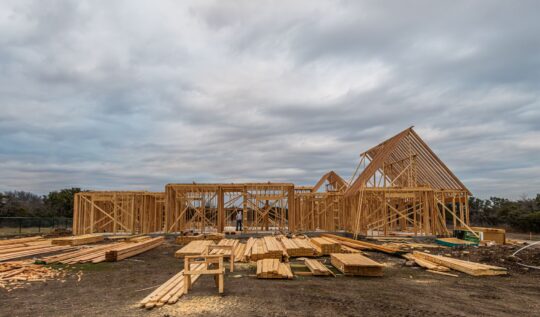
If you’re weighing an owner’s rep vs general contractor for a custom home in Los Angeles, here’s the short answer: the general contractor builds the house under a construction contract, hiring and directing the trades, running the jobsite, and delivering the work shown in the drawings. An owner’s representative, often called a construction manager in this advisory sense, sits on the owner’s side of the table, coordinating the architect, consultants, and builder and helping the owner make clear, timely decisions without building the work. The architect designs the house and stays involved through construction. Many owners hire a general contractor and an architect; some add an owner’s representative to bring the whole effort together.
That’s the citable version. The rest of this guide walks through each role, where the terms overlap, and how the pieces fit on a custom home in Los Angeles.
Three Roles, Two Sides of the Table
The direct point: the easiest way to sort these roles is by whom each one works for and what each one delivers.
The architect works for the owner and delivers the design, from early concepts through the construction documents the city reviews and the builder prices.
The general contractor works under a contract with the owner and delivers the built house. It’s the firm on the jobsite every day, with its own superintendent and project manager, its own trade partners, and responsibility for how the work gets done.
The owner’s representative, or construction manager acting as the owner’s advisor, works only for the owner and delivers coordination, information, and judgment. It doesn’t hold the trade contracts or swing a hammer on your project. Its job is to make sure the design team, the builder, and the owner are moving together, with the same information, toward the same result.
None of these roles competes with the others. Each one is a specialty, and the best custom homes in Los Angeles come from teams where each specialty is respected and the hand-offs between them are handled well.
What an Owner’s Representative Does
An owner’s representative is an independent construction professional who represents the owner from the earliest planning through move-in. In Triton’s work, owner’s representative and construction manager describe the same owner-side role, and we use the terms interchangeably.
In practice, that role often includes:
- Helping assemble the team and setting budget and schedule goals with the owner and architect
- Reviewing the design as it develops for constructability, sequencing, and long-lead items
- Running builder selection, leveling proposals so they compare the same scope, and reviewing the construction contract
- Reviewing pay applications and change orders, and keeping the schedule and decision log current
- Keeping the owner informed with clear, regular reporting, then guiding closeout and turnover
The value comes from real building experience. An owner’s representative who has run jobs knows what a superintendent needs to keep a framing crew moving, why a submittal matters to the schedule, and how a late finish decision ripples through the trades. That background lets the role support the builder and the architect rather than slow them down. If you’re at the stage of choosing a firm, our guide to Hiring an Owner’s Representative for a Custom Home in Los Angeles covers scope, timing, and the questions worth asking.
What a General Contractor Does
A general contractor takes the coordinated drawings and turns them into a house. It signs the construction contract with the owner and takes responsibility for building the work as drawn and specified.
That’s a large, demanding job. The general contractor prices the work and builds the schedule, hires and sequences the trades, orders materials, manages jobsite safety and logistics, coordinates inspections with the building department, and keeps quality consistent from foundation to finish carpentry. On a hillside lot in the Hollywood Hills or Bel Air, that can mean shoring, grading, and access plans before the house even comes out of the ground. In Malibu or Pacific Palisades, it can mean tight sites, coastal conditions, and neighbors close by. You can read how we approach this side of the work on our general construction page.
A strong general contractor brings its own project management. A good builder already runs schedules, budgets, and reports, and that’s part of what owners are hiring when they choose one. An owner’s representative doesn’t replace any of that; it gives the owner a dedicated, independent point of focus on their side, so the builder’s reporting lands with someone who can turn it into clear decisions.
Where “Construction Manager” Fits
On a custom home, “construction manager” usually describes the same owner-side advisory role as an owner’s representative.
Agency construction management is that advisory role. The construction manager acts as the owner’s agent, gives advice and coordination, and doesn’t hold the trade contracts or build the house. On a custom home, this is what most people mean by an owner’s representative, and it’s how Triton uses the term.
If a firm calls itself a construction manager, ask whether it will work only for you as an advisor. That’s the role described in this guide.
How Each Role Works With the Architect
The architect is often the first professional an owner hires, and on most custom homes the architect stays involved all the way through construction, answering questions from the field, reviewing shop drawings and submittals, and visiting the site.
The general contractor works with the architect on the technical side: requests for information, submittals, mockups, and the many small field decisions that bring the design to life. When the builder joins early, the architect gets real-time pricing and constructability feedback while the drawings are still flexible.
The owner’s representative works with the architect on the owner’s side: keeping design decisions moving on schedule, making sure the budget conversation happens while choices are still easy to change, and helping the owner understand the implications of each option. The best working relationships between architects and owner’s representatives feel like a partnership, because both are focused on the same outcome, a house that matches the owner’s vision. We’ve written about that dynamic in Why Collaboration Defines the Best Construction Projects.
Owner’s Rep vs General Contractor: A Side-by-Side Look
| Owner’s representative / construction manager (agency) | General contractor | |
|---|---|---|
| Works for | The owner only, as an advisor | The owner, under a construction contract |
| Delivers | Coordination, information, and decision support | The built house |
| Holds trade contracts | No | Yes |
| Typical timing | Ideally before land purchase or at the start of design, through closeout | Pre-construction (ideally) through construction and closeout |
| Relationship with architect | Keeps design decisions, budget, and schedule aligned for the owner | Builds the design; RFIs, submittals, and field coordination |
Do You Need Both on a Los Angeles Custom Home?
Every custom home needs a builder. Whether it also needs an owner’s representative depends on the owner, the project, and the property.
Owners often bring in an owner’s representative when they’re building while living elsewhere, such as a second home in Malibu while based in New York; when they’re managing a busy career and want a construction professional on their side; when the site adds complexity, like a sloped lot in La Cañada Flintridge or a property with layered city review in San Marino; or simply when they want independent eyes and steady reporting from start to finish. Many owners who already have a builder they trust hire an owner’s representative anyway, a situation we explore in The Independent Check: What Oversight Looks Like When You Already Have a Great Builder.
Earlier is better. The most valuable time to engage an owner’s representative is before buying the land, when the property’s constraints and approval path can still shape the decision. The start of design and the lead-up to builder selection are natural moments too, and bringing one in during construction is immediately useful, because a clear owner-side view of schedule, budget, and open decisions helps the whole team from day one.
Questions to Ask as You Assemble Your Team
If you’re ready to hire, a few questions help you see each firm’s role clearly:
For a general contractor: Who will run my job day to day, and who will be on site? Have you built in my city, and on a site like mine? How do you build your estimate and schedule, and how do you report progress?
For an owner’s representative or construction manager: Will you work only for me as an advisor? What hands-on building experience does your team bring? How do you work with architects and builders? What will reporting look like, and how often?
For everyone: How do you like to work with the rest of the team? The answers tell you a lot about how the project will feel.
How Triton Fits
Triton Engineering Contractors was founded in 2011 and offers owner’s representative and construction management services, as well as general construction. Triton’s owner’s representative service is standalone and is never combined with building the same job.
Our owner’s representative work rests on real building experience. Triton’s leadership brings about 30 years of hands-on construction experience, including commercial-construction rigor and work on hillside, deep foundation, and subterranean projects. Our team works across Los Angeles, Ventura, Santa Barbara, and Orange counties, collaborating closely with architects, designers, engineers, and builders, with the goal of giving every owner oversight with genuine authority and the same care we’d bring if it were our own home being built.
Key Takeaways
- The general contractor builds the house under a construction contract and holds the trade contracts.
- An owner’s representative, or construction manager in the agency sense, works only for the owner, coordinating the architect, consultants, and builder without building the work.
- The architect designs the house and stays involved through construction; both the builder and the owner’s representative work closely with the architect.
- Every custom home needs a builder; owners add an owner’s representative for distance, complexity, time, or independent reporting, and earlier engagement adds the most value.
Frequently Asked Questions
What’s the difference between an owner’s rep and a general contractor?
The general contractor builds the house under a contract with the owner and manages the trades, schedule, and jobsite. The owner’s representative works only for the owner as an advisor, coordinating the design team and builder and supporting the owner’s decisions, without holding the construction contract.
Is a construction manager the same as an owner’s representative?
When the construction manager is acting as the owner’s advisor, yes. That’s called agency construction management, and on a custom home it’s the same role as an owner’s representative.
Can I hire an owner’s representative if I already have a general contractor?
Yes. Many owners do. The owner’s representative supports the relationship by giving the owner an independent, experienced point of focus on their side of the table.
Does an owner’s representative replace the architect?
No. The architect designs the house and stays involved through construction. The owner’s representative helps keep design decisions, budget, and schedule aligned for the owner.
Talk With Us About Your Project
Whether you’re sorting out the team for a new house in Bel Air, looking at a lot in the Hollywood Hills, or planning a home in Pasadena, our team is glad to talk through which roles your project needs and how they’d work together. Reach out to Triton here to start the conversation.
Planning a custom home or multifamily project?
Talk with Triton about your site, budget and schedule. We'll tell you honestly what it will take.
Contact Triton