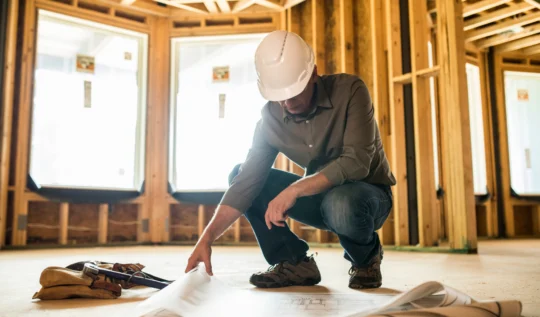
 Many owners come to a custom home project having already found a general contractor with a strong reputation, a track record of quality work, and a relationship the owner feels genuinely good about. That’s not a small thing, and it’s not something an owner’s representative is brought in to second-guess. The question these owners are really asking isn’t whether their builder is good. It’s whether anyone is tracking the schedule, the budget, and the quality of work in place with the same rigor and independence the owner would bring if they had the construction background and the time to do it themselves.
That’s what independent oversight means on a custom home project, and it’s entirely compatible with having an excellent general contractor already in place. An owner’s representative isn’t there to watch over the builder’s shoulder or question their craftsmanship. They’re there to give the owner a second, independent set of eyes on schedule, budget, and quality — real oversight, exercised with genuine authority and the same care they’d bring if it were their own home being built.
Why Independent Oversight Doesn’t Compete With a Great Builder

A general contractor with a strong track record has earned that reputation directing the means and methods of construction — sequencing trades, managing field logistics, solving the dozens of small problems that come up on any active jobsite. It’s important that the owner’s representative overseeing that work brings genuine building experience of their own, not just administrative coordination. At Triton, oversight is grounded in direct, hands-on experience building complex projects ourselves, which is what allows us to evaluate that work with real command of what’s actually happening in the field — understanding construction from the inside out, not just tracking it from the outside.
What a general contractor isn’t positioned to provide, simply because it isn’t their role, is an independent verification layer working exclusively on the owner’s behalf — someone reviewing pay applications against work actually completed, tracking the schedule against the plan the owner agreed to, and confirming quality in place meets the standard the project was built around. That’s not a gap in the builder’s competence. It’s a structural reality of the relationship: the GC is contracted to build the project, and an owner benefits from having someone whose only contract is representing the owner’s interests in verifying that work.
An owner’s representative fills that gap directly. The oversight is real — it carries genuine authority to review, question, and verify — but it’s independent oversight in service of the project’s success, not oversight built around distrust of the builder. The distinction matters, and it’s one experienced general contractors tend to recognize quickly: a second set of eyes tracking budget and schedule doesn’t slow down a well-run job. It gives the owner confidence in what’s already going well.
What Independent Oversight Actually Looks Like in Practice
On a custom home project, that oversight takes a consistent, recognizable shape. An owner’s representative reviews the general contractor’s pay applications against actual progress in the field, so the owner is paying for work that’s genuinely complete rather than relying solely on the contractor’s own accounting. They track the project schedule against the baseline the team agreed to, flagging drift early enough for it to be addressed rather than discovered after it’s compounded. They monitor the quality of work in place directly, walking the site regularly rather than relying entirely on periodic updates.
Change orders receive the same independent review. Change orders are a normal part of any custom home build — design refinements, evolving preferences, and site conditions all generate them, regardless of how skilled the builder is. What independent oversight adds is verification: confirming a change order is priced reasonably, documented clearly, and genuinely necessary before it reaches the owner for approval — the same kind of check an owner with deep construction expertise would apply themselves, extended to owners who don’t have that background or the time to apply it directly.
This oversight also extends, in a lighter-touch way, to the vendors and subcontractors the general contractor brings onto the project — an owner’s representative can weigh in on those selections as an added, independent confirmation that the trades being engaged are the right fit, without overriding the GC’s authority to make that call.
Why This Reads as Support, Not Suspicion
The framing matters as much as the function itself. Independent oversight only works well when it’s delivered as a collaborative check, not an adversarial one — and that distinction shows up in small, consistent ways. A schedule variance gets raised as a question worth discussing with the general contractor, not a failure to report to the owner. A pay application discrepancy gets resolved through a direct conversation with the contractor’s office, not escalated as a dispute. The goal in every case is the same: keeping the project moving smoothly with full transparency, not creating friction where none needs to exist.
Experienced general contractors, in practice, tend to welcome this structure once they’ve worked alongside a skilled owner’s representative. A GC’s own project managers are managing dozens of details across the field; having an independent party keeping the budget, schedule, and documentation organized on the owner’s side reduces the number of open questions the contractor has to field directly from the owner. Independent oversight, done well, tends to make a strong builder’s job easier, not harder.
This is also where the owner’s representative functions as a direct consultant to the owner — not just a check on the builder’s numbers, but a translator of what those numbers and that progress actually mean. When a pay application is reviewed and confirmed, the owner isn’t just told it’s approved; they understand what it represents. That consulting relationship is what turns oversight into something the owner directly benefits from and can act on with confidence.
Independent Oversight Across the Life of the Project
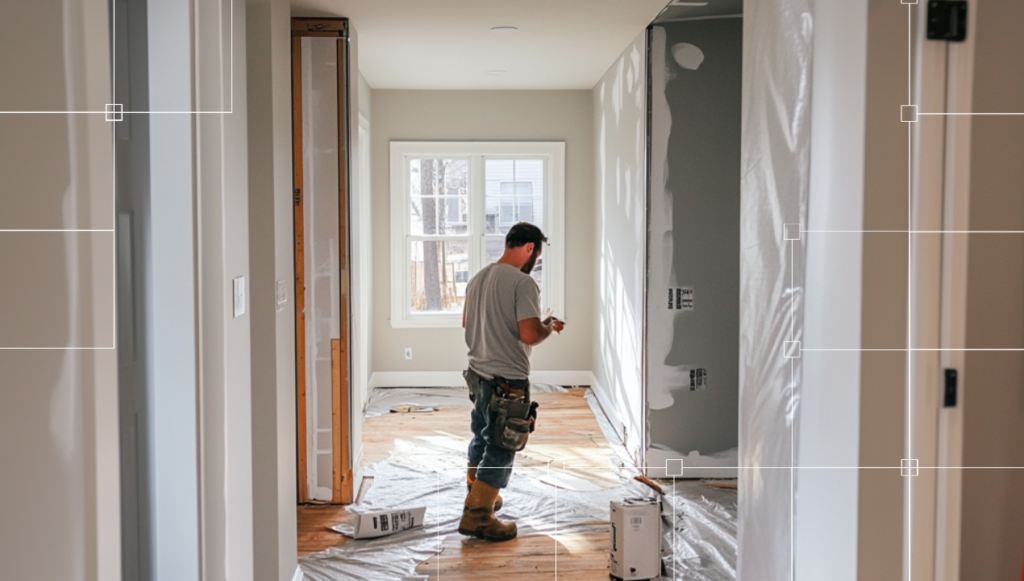
This function isn’t limited to active construction. During pre-construction, an owner’s representative reviews the general contractor’s proposed budget and schedule against the completed design, confirming the numbers reflect what’s actually being built — a valuable check even when the owner already trusts the builder completely, simply because a second, independent review of a major financial commitment is good practice regardless of how strong the relationship is.
Once construction is underway, that oversight becomes continuous rather than periodic: reviewing pay applications on the schedule they’re submitted, walking the site regularly, and staying current on the change order log so nothing accumulates unnoticed. At closeout, the same verification applies to the punch list and to the warranty documentation and as-built drawings the general contractor delivers, confirming the full package is complete before the project team disperses.
Consistency across every phase is what makes the oversight meaningful. A spot-check here and there doesn’t provide the same value as a continuous, independent presence tracking the project from pre-construction through the final walkthrough — and that continuity is exactly what an owner’s representative, functioning as construction manager across the whole lifecycle, is positioned to provide.
Why Independent Oversight Matters Most When the Owner Can’t Be There Constantly
This function becomes especially valuable for owners who can’t walk the site every week — and that’s not always a distance problem. A hillside retreat in Bel Air or a family compound in Hope Ranch built by an owner based in another city is one version of it. Just as common: an owner who lives ten minutes from the jobsite but is running a company, closing deals, or in the operating room, and simply doesn’t have the hours in a week to track pay applications and walk the framing before it’s covered up. Either way, the result is the same — the owner is relying on updates from the field rather than seeing the progress firsthand.
An owner’s representative closes that gap regardless of what’s keeping the owner away — geography, a demanding job, or both. Pay applications get reviewed against real progress whether the owner is across the country or across town but buried in meetings, and quality gets verified in person, on a regular cadence, by someone representing the owner’s interests only. That independent, continuous presence is often what allows an owner to trust a builder fully while their own time is spoken for elsewhere — confidence built on verified information, not distance and hope.
At Triton Engineering Contractors, independent oversight is central to how we support every project, including those where a general contractor has already been selected and is doing excellent work. Our team’s direct experience building custom homes across Southern California, paired with a background in commercial and multifamily construction where independent budget and schedule verification is standard practice on every project, shapes the rigor we bring to that oversight. As owner’s representative and construction manager, and as a direct consultant to the owner throughout, our focus stays on giving the owner a clear, verified picture of their project’s progress — working collaboratively alongside the builder, never against them. If you already have a builder you trust and want a second set of eyes on the numbers and the schedule, reach out — we’re happy to talk through what that looks like on your project.
Key Takeaways
- Independent oversight from an owner’s representative isn’t a challenge to a skilled general contractor’s work — it’s a verification layer that operates alongside the builder, exclusively on the owner’s behalf.
- In practice, that oversight means reviewing pay applications against actual progress, tracking the schedule against the agreed baseline, monitoring quality of work in place, and verifying change orders before they reach the owner.
- Framing matters: independent oversight works best delivered as a collaborative check, resolved directly with the contractor’s team, rather than as an adversarial report.
- Experienced general contractors often welcome this structure, since it reduces the open questions they have to field directly from the owner and keeps disagreements resolved through clear documentation.
- The owner’s representative is a consultant to the owner, translating what verified progress and pricing actually mean rather than simply confirming numbers.
- Independent oversight is especially valuable for owners who can’t be on-site constantly, whether that’s because of distance or because their own career leaves little time to track the project directly.
Frequently Asked Questions
Does hiring an owner’s representative mean I don’t trust my general contractor? Not at all. Many owners bring in an owner’s representative specifically because they already trust their builder and want an independent, verified layer of oversight on top of that trust — reviewing pay applications, tracking schedule, and confirming quality, the same checks an owner with construction expertise would apply themselves.
Will an owner’s representative slow down my general contractor’s work? A skilled owner’s representative is structured to support the builder’s process, not add friction to it. Independent oversight, delivered collaboratively, tends to reduce the number of open questions a general contractor has to field directly from the owner rather than adding administrative burden.
What does an owner’s representative actually check during construction? Primarily three things: pay applications reviewed against real progress in the field, the schedule tracked against the agreed baseline, and quality of work in place monitored through regular site visits. Change orders are also reviewed for accurate pricing and documentation before reaching the owner.
Can an owner’s representative be brought on after I’ve already selected my general contractor? Yes. This is one of the most common ways owners engage an owner’s representative — bringing in independent oversight alongside a builder who’s already selected and already doing strong work, rather than as part of choosing the contractor in the first place.
I don’t have construction experience — how would I even know if something’s off? Most owners don’t, and that’s exactly the point of having someone in this role. Reviewing a pay application, spotting a schedule variance before it compounds, or knowing whether quality in place matches the standard the project was built around takes a trained eye. An owner’s representative brings that eye to the project on the owner’s behalf, so the owner doesn’t have to develop construction expertise themselves to stay genuinely informed.
Why does independent oversight matter more when the owner can’t be on-site regularly? Whether it’s distance, a demanding career, or both, independent oversight provides verified confidence in the project’s progress without requiring the owner’s constant physical presence — pay applications and quality get confirmed by someone on the ground representing the owner’s interests only.