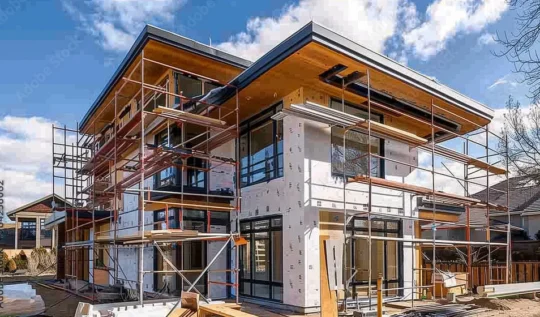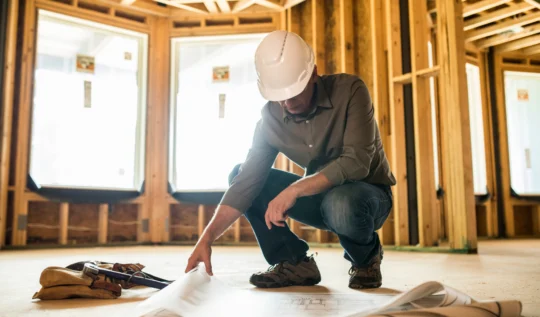
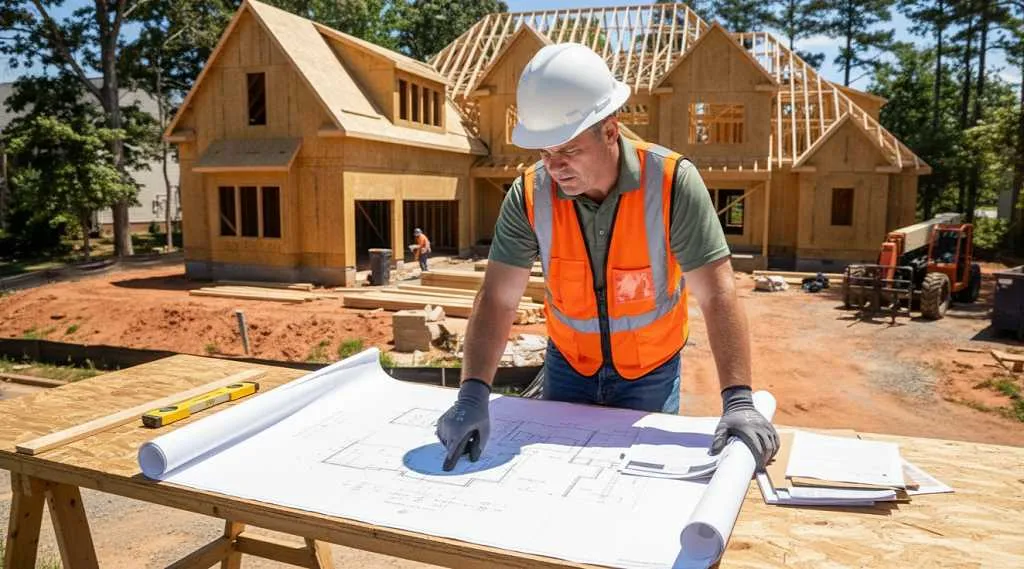
When people hear the term “oversight,” they tend to picture something passive — someone reviewing work after it’s done, checking boxes, confirming that things happened the way they were supposed to. That’s a fair description of what oversight sounds like. It’s not, however, an accurate description of what a skilled owner’s representative actually does. The day-to-day reality of the role is active, not passive. It’s construction management and owner’s representation practiced as a continuous, forward-looking function — anticipating what a project needs before it needs it, not simply reviewing what already happened.
That distinction matters, because it shapes what an owner should expect from the relationship. An owner’s representative isn’t a periodic check-in. They’re engaged in the daily rhythm of a custom home project — reading where things stand, identifying what needs attention next, and making sure the people doing the specialized work have what they need to keep moving. Here’s what that actually looks like, phase by phase.
Why “Oversight” Undersells the Role
Every professional on a custom home project brings deep expertise to a specific piece of it. The architect’s daily work is design. The structural engineer’s daily work is load paths and seismic performance. The general contractor’s daily work is directing trades and building. Each of them is, appropriately, immersed in their own scope — and that immersion is exactly what produces excellent work in each domain.
What none of them is doing day to day, because it isn’t their job to do it, is holding the full picture of the project on the owner’s behalf — tracking how every piece connects, flagging what’s coming before it becomes urgent, and keeping the owner informed with the context needed to make good decisions. That’s the owner’s representative’s daily function, and it’s an active one. It looks less like a periodic inspection and more like a continuous thread running underneath every phase of the project, connecting land acquisition to design, design to permitting, permitting to construction, and construction to a finished, fully documented home.
The Groundwork: What Happens Before Anyone Breaks Ground
The daily work of an owner’s representative often starts earlier than most owners expect — at land acquisition, before a design team has even been selected. Evaluating a prospective property means digging into zoning conditions, topography, utility access, and entitlement questions that aren’t visible from a listing photo. That’s active, ongoing work: pulling records, talking to the right people, understanding what a specific site will actually require before an owner commits to purchasing it.
Once land is secured, the daily work shifts to team assembly — identifying and vetting the architect, engineers, and specialty consultants who are the right fit for this particular project’s complexity and character. That’s not a single meeting. It’s a process of evaluating experience, availability, and working style across multiple candidates, day by day, until the right team is in place. Getting this composition right early is one of the most consequential things an owner’s representative does, because a well-matched team tends to move through design with far more clarity than one still finding its footing once drawings are underway.
Staying Ahead During Design: Tracking, Not Waiting
During design, an owner’s representative’s daily work is tracking how the project’s evolving decisions affect budget and schedule — and bringing that information to the owner before those decisions accumulate into a surprise. Design is iterative by nature. Materials get specified, spaces get refined, systems get routed. Each of those choices carries cost and timeline implications, and staying ahead of them requires daily attention, not a quarterly review.
This is where the construction manager and owner’s representative functions are truly the same role described from two angles. The day-to-day task is coordination: making sure information produced by the architect reaches the structural engineer when it’s needed, that the MEP designer’s routing decisions are communicated back to the design team promptly, and that the owner understands what’s changing and why, in language that supports confident decision-making. When that tracking happens continuously, design conversations stay focused on the project itself, not on financial uncertainty that could have been caught earlier.
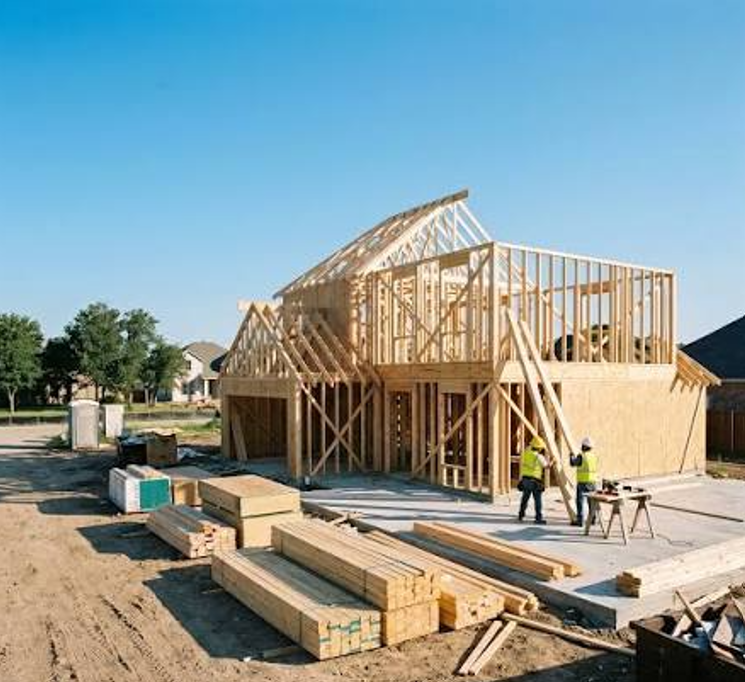
On the Ground During Construction
Once construction begins, the daily rhythm changes again. The owner’s representative manages the project schedule, reviews contractor pay applications, monitors the quality of work in place, and administers the change order process — all of which requires regular, hands-on attention to what’s actually happening in the field, not a document review from a distance.
Change orders are a normal part of any custom home build, generated by design refinements, site conditions, and evolving preferences. What day-to-day management adds is documentation clarity: making sure each change order is priced reasonably and fully understood by the owner before it’s approved, so decisions are informed rather than reactive. This is also where a construction manager’s daily presence becomes most valuable for owners who aren’t on-site regularly — building a second home in Montecito or a retreat property in Malibu while based elsewhere, for example. A consistent, knowledgeable presence in the field means questions get resolved and decisions get communicated the same day they arise, rather than waiting for the owner’s next visit.
Anticipating, Not Reacting
The most important part of the day-to-day work is often the least visible: staying ahead of what the project will need before it becomes urgent. That means tracking permitting timelines closely enough to flag a jurisdictional delay before it stalls the schedule. It means watching material lead times closely enough to place a long-lead order — custom windows, specialty millwork, structural steel — before the gap between ordering and installing becomes a problem. It means noticing when a design decision under discussion is likely to affect a downstream trade, and raising that connection early, while it’s still easy to address.
This proactive rhythm is what separates active management from passive oversight. A project with strong day-to-day attention tends to move with fewer surprises — not because problems never arise on a complex custom home build, but because they’re identified and addressed while they’re still small and manageable, rather than allowed to compound. That daily attentiveness is also what makes the owner’s representative and construction manager functions genuinely inseparable in practice: the same person doing the same work, described from two angles that reflect the same continuous focus on keeping the project ahead of its own schedule.
What This Looks Like From the Owner’s Side
For the owner, the day-to-day work of an owner’s representative shows up as clarity rather than noise. Updates arrive on a predictable rhythm. Decisions come with the context needed to make them well. Problems, when they surface, arrive already framed with options rather than as open-ended concerns requiring an immediate, uninformed answer. That’s the product of continuous daily attention working quietly in the background, not a system that only activates when something goes wrong.
This kind of steady, active involvement matters for every custom home project, but it’s especially valuable for owners managing a build from a distance — a vacation property in Hope Ranch, a retreat in the Santa Ynez Valley, or any Southern California build for an owner whose primary residence is elsewhere. In those situations, the owner’s representative’s daily presence becomes the consistent thread connecting the owner to a project they can’t observe firsthand every day, translating what’s happening on-site and in design into clear, actionable updates no matter where the owner is based.
At Triton Engineering Contractors, this day-to-day rhythm is central to how we work. Daily coordination across dozens of trades and consultants is simply how we approach every project we manage, applied with the same active, hands-on attention regardless of scale. As owner’s representative and construction manager, our focus stays on staying ahead of the project, not catching up to it, from the first site evaluation through final closeout. If you’re planning a custom home and want to understand what that kind of daily involvement looks like for your project, we’d welcome the conversation.
Key Takeaways
- “Oversight” undersells the role — the day-to-day work of an owner’s representative is active and forward-looking, not a periodic review.
- The work begins as early as land acquisition and team assembly, well before a shovel enters the ground.
- During design, daily tracking of budget and schedule implications keeps decisions informed and prevents financial surprises later.
- During construction, hands-on daily management of schedule, pay applications, and change orders keeps the project moving with clarity.
- Anticipating issues before they become urgent — permitting timelines, material lead times, downstream trade impacts — is what separates active management from passive oversight.
- For owners building a second home or retreat property while based elsewhere, this daily presence provides a consistent, knowledgeable point of contact throughout the project.
Frequently Asked Questions
What does an owner’s representative actually do on a daily basis? Depending on the project phase, daily work includes tracking design decisions against budget and schedule, coordinating information between the architect and consultants, managing the construction schedule, reviewing pay applications and change orders, and monitoring the field for anything that needs early attention.
Is “owner’s representative” the same as “construction manager”? Yes — at Triton, the two terms describe the same role from different angles. Construction management is the day-to-day, hands-on execution of the coordination and oversight that owner’s representation provides across the full project lifecycle.
How is active, day-to-day management different from occasional oversight? Occasional oversight reviews what’s already happened. Day-to-day management anticipates what’s coming — flagging permitting delays, material lead times, or schedule risks early enough to address them before they affect the project, rather than discovering them after the fact.
Does daily involvement mean the owner’s representative is making decisions instead of the owner? No. The owner makes every meaningful decision about their project. The owner’s representative’s daily work is making sure those decisions arrive with clear, complete context — cost implications, schedule implications, and relevant background — so the owner can decide with confidence.
Why does daily attention matter more for owners who aren’t on-site regularly? When an owner is building a second home or managing a project from another city, a construction manager’s consistent daily presence means questions get resolved and decisions get communicated promptly, keeping the project moving at the pace it requires rather than waiting for the owner’s next visit.