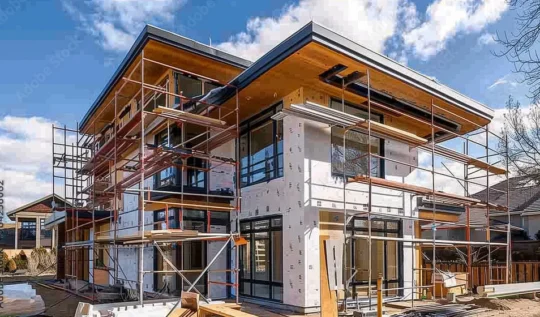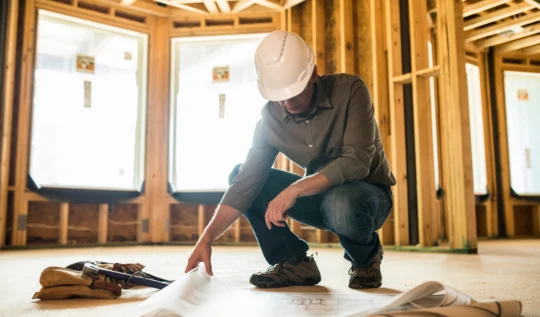

Substantial completion feels like the finish line. Keys change hands, the punch list looks manageable, and everyone is ready to celebrate a home that finally looks like a home. For the owner, that moment is real—and it should be. What it isn’t, though, is the end of the project’s most delicate work: the construction closeout phase.
A construction closeout phase has its own sequence, deliverables, and window of attention—from systems commissioning through warranty package assembly, as-builts and O&M manuals, and the first thirty to ninety days of occupancy. Treat it as a ceremonial handshake and those pieces scatter. Treat it as construction management with the same care as framing or finishes, and the home settles into daily life with clarity instead of chasing paperwork.
Architects, designers, engineers, general contractors, and trades each bring deep specialization to the end of a build. An owner’s representative—an independent construction manager and construction consultant working exclusively for the owner—keeps that phase intact. What’s easy to lose in the handoff is a single point of focus dedicated to making sure commissioning, documentation, and early occupancy line up for the person who will actually live there.
Why Substantial Completion Isn’t the End of the Construction Closeout Phase
Substantial completion is a contractual milestone. It marks that the home is ready for its intended use, with remaining work listed and scheduled. It’s useful, necessary, and often emotional. It is not the same as a fully commissioned, fully documented, fully settled house—and it is not the finish of the construction closeout phase.
Systems still need to prove they perform together—HVAC balancing, smart-home scenes, irrigation controllers, access hardware, and the quieter layers owners only notice when something doesn’t feel right. Warranty materials need assembling so coverage is clear months later. As-builts and O&M manuals need to reflect what was actually installed, not only early design intent. And the first weeks of occupancy surface questions that only appear when the house is lived in: how a room holds heat in the late afternoon, how irrigation meets drainage after the first real rain, how lighting presets behave when the family is home.
None of that is a failure of the project team. It’s the natural residual work of a custom home. An owner’s representative frames the construction closeout phase as that work—scheduled, tracked, and owned—rather than leftover items squeezed into the celebration.
Commissioning Inside the Construction Closeout Phase
Commissioning is where individual systems stop being individual. Mechanical, electrical, plumbing, controls, and often landscape irrigation each get installed by specialists who know their craft. The owner’s representative’s construction management role at this stage isn’t to duplicate that craft. It’s to hold the sequence so testing, balancing, and handoff happen while the people who installed the work are still engaged and the documentation trail is still warm.
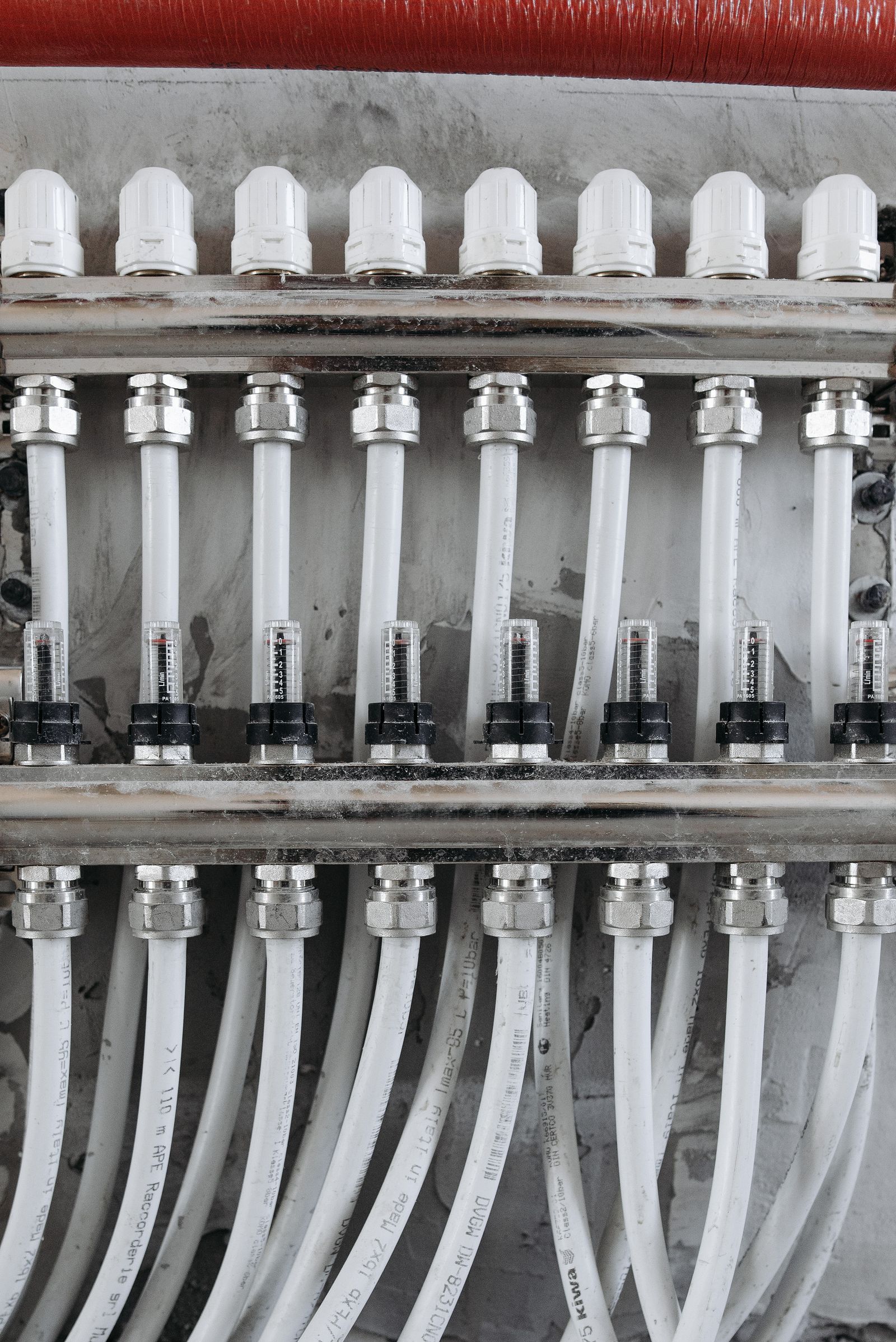
On a custom home in Brentwood or a hillside build above Pasadena, that might mean verifying HVAC zones once furniture and window treatments are in, that smart-home scenes match how the owner actually moves through the day, and that outdoor systems don’t fight the architecture’s drainage or lighting plan. Commissioning is practical proof—not checkboxes for their own sake.
When an owner is building a second home while living elsewhere, commissioning is also where remote confidence gets earned. Someone on the ground, accountable only to the owner, can walk systems, ask the right questions of the installing trades, and translate results into plain language before the next visit. That’s consulting in the best sense: informed guidance so “done” means performing.
Warranty Package Assembly: Coverage You Can Actually Use
Warranties arrive from many directions—manufacturer coverage on equipment and finishes, installer and trade warranties, and the general contractor’s contractual commitments. Each piece is valuable. Left unassembled, they become a drawer of PDFs the owner can’t navigate when something needs attention.
Warranty package assembly gathers those commitments, matches them to what was installed, and organizes them so the owner knows what’s covered, by whom, and how to open a claim. An owner’s representative keeps that assembly moving while project memory is still fresh: model numbers confirmed, start dates clear, contact paths recorded, and gaps flagged before the team disperses.
This isn’t about predicting every future repair. It’s a usable map of protections that already exist. The lasting archive an owner keeps after the keys is a related conversation. The construction closeout phase’s job is getting the package built correctly while the project can still answer for itself.
As-Builts and O&M Manuals in the Construction Closeout Phase
Design drawings describe intent. As-builts describe reality—routes, equipment locations, panel schedules, and field adjustments that accumulate across a custom build. O&M manuals explain how to care for what was installed: filter schedules, control interfaces, finish care, irrigation seasons, and the small rituals that keep systems healthy.
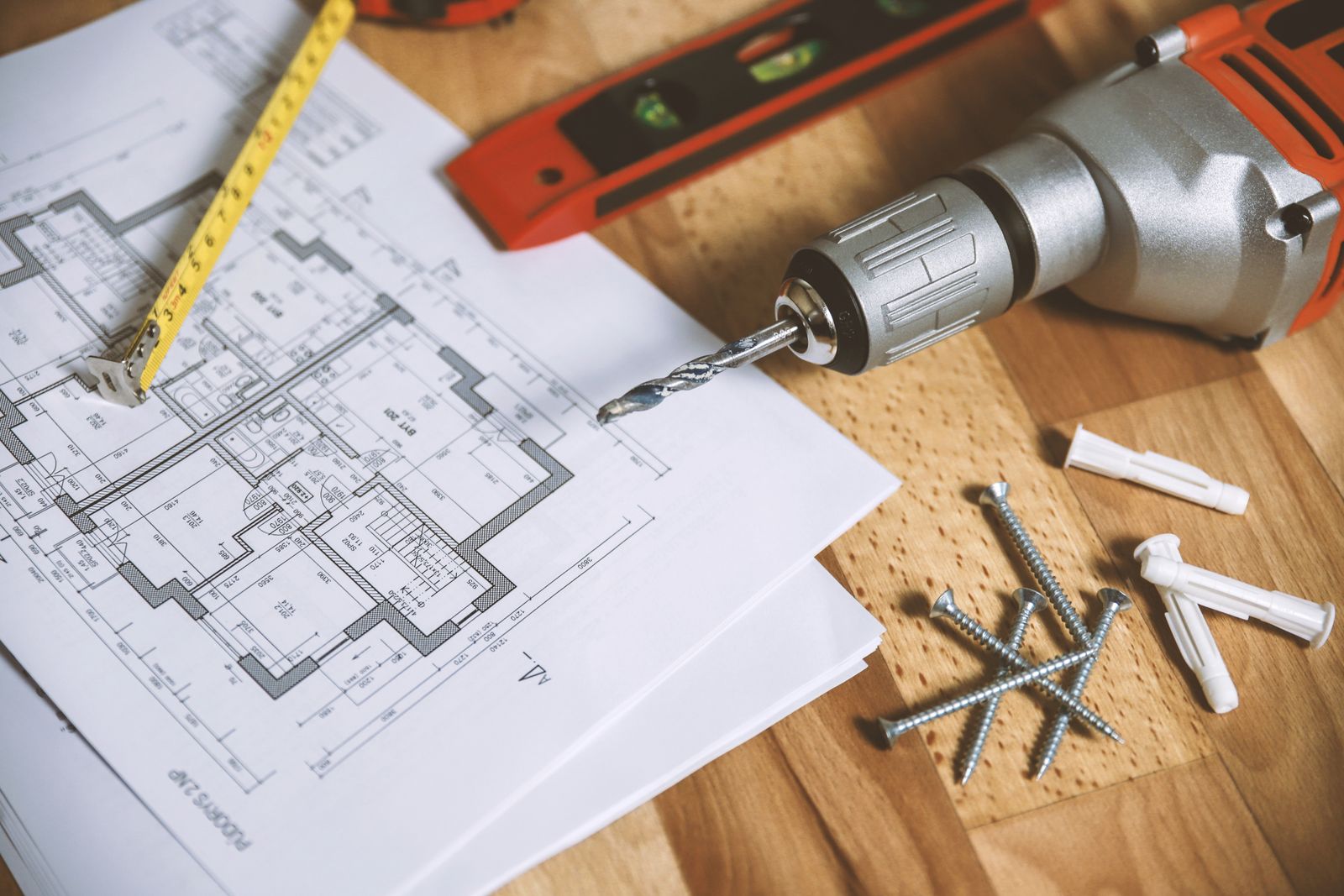
Architects and engineers produce drawing sets with care. Trades and the general contractor know what changed in the field. The coordination gap at closeout is collecting those strands into a coherent owner package before everyone moves on. An owner’s representative treats as-builts and O&Ms as deliverables with owners, dates, and completeness checks—not courtesy extras that trail occupancy by months.
For an owner in San Marino or Montecito who may not want to become a facilities manager, the value is simple: when a technician visits two years from now, the house can explain itself. Closeout is when that clarity is still achievable without detective work.
The First 30–90 Days: Occupancy as Part of Closeout
Moving in doesn’t pause the project; it changes its texture. The first month to three months of occupancy is when seasonal light, daily routines, and real weather start testing the house. Punch items get refined against lived experience. Landscape establishment needs watching. Control settings get tuned. Adjustments that are easy while relationships are still active become harder once the team demobilizes.
An owner’s representative stays engaged through that window as construction management for early living—not as a substitute for the builder’s punch and warranty responsibilities, and not as a year-long residency program. The focus is what’s surfacing, what’s still open, what documentation still needs closing, and what the owner should expect next. Year-one living—the longer arc of seasons, landscape maturity, and warranty rhythm—deserves its own attention later. The construction closeout phase makes the first ninety days orderly enough that year one starts from solid ground.
Owners with demanding careers, or those splitting time between cities, feel this window acutely. An independent construction consultant who already knows the project can keep decisions timely without turning every question into a crisis visit.
How an Owner’s Representative Holds the Closeout Phase Together
Every professional on the project is excellent at a piece of the ending. The architect protects design intent through final details. The general contractor drives completion and punch. Trades commission and stand behind their scopes. What’s naturally missing is a continuous advocate whose only mandate is the owner’s whole picture across that ending.
That’s the owner’s representative function: celebrate each specialist’s contribution, name the coordination gap that appears when many endings happen at once, and fill it with steady construction management—commissioning tracked, warranty packages assembled, as-builts and O&Ms chased to completeness, early occupancy questions answered with context. Oversight here is exercised with genuine authority and the same care they’d bring if it were their own home being built—collaborative, not adversarial, and always in service of a clean handoff into daily life. Working well with architects, builders, and trades is the default; when the owner’s interests need protecting, that same relationship can be clear and firm without becoming a fight.
This kind of owner-side consulting has been the cornerstone of Triton’s mission. Whether Triton’s role is owner’s representative alongside another builder or construction management woven through the broader engagement, the standard is the same: closeout as a phase with deliverables, not a handshake at the curb.
If you’re approaching substantial completion—or planning a custom home and want the ending designed with the same rigor as the beginning—reach out and we can walk through how closeout should be structured for your project. That conversation is usually most useful a little earlier than most owners expect.
Key Takeaways
- Substantial completion marks readiness for use; the construction closeout phase covers commissioning, warranties, as-builts and O&M manuals, and the first 30–90 days of occupancy.
- Commissioning proves mechanical, electrical, controls, and related systems perform together while the installing team is still engaged.
- Warranty package assembly turns scattered coverage into a usable owner map before the project team disperses.
- As-builts and O&M manuals capture what was actually built and how to operate it—deliverables with owners and dates, not trailing extras.
- An owner’s representative / construction manager keeps closeout coordinated as a single point of focus for the owner, filling the natural gap between specialized endings without replacing any specialist’s craft.
- Early occupancy is part of closeout; the longer first year in the house is a related but distinct chapter.
FAQ
What is a construction closeout phase on a custom home? It’s the phase after the home is largely complete when systems are commissioned, punch work is finished, warranty materials are assembled, as-builts and O&M manuals are completed, and the owner’s first weeks of occupancy are supported so the project ends with clarity rather than open leftovers.
Is substantial completion the same as the construction closeout phase? No. Substantial completion is a contractual milestone that the home is ready for its intended use. The construction closeout phase is the broader process—commissioning, documentation, warranties, and early occupancy support—that completes the handoff into daily living.
What does an owner’s representative do during closeout? An owner’s representative acts as the owner’s independent construction manager and consultant through commissioning, warranty package assembly, as-builts and O&M collection, and the first 30–90 days of occupancy—keeping those strands coordinated so the owner isn’t left assembling the ending alone.
Why do as-builts and O&M manuals matter if the house is already finished? As-builts document what was actually installed; O&M manuals explain how to operate and care for systems and finishes. Together they let technicians, caretakers, and the owner work from accurate information instead of reconstructing the project from memory.
How long should an owner’s representative stay involved after move-in? Closeout typically includes the early occupancy window of roughly the first thirty to ninety days, when living patterns reveal adjustments easiest to resolve while the project team is still connected. Longer year-one living support is a separate conversation from closeout itself.
Does closeout still matter if I already have a strong general contractor? Yes. A strong general contractor drives completion and punch with skill. An owner’s representative adds independent construction management focused solely on the owner’s whole-picture ending—documentation completeness, commissioning follow-through, and early occupancy clarity—alongside that builder, not instead of them.