Every custom home project brings together a group of highly capable specialists — an architect, structural and civil engineers, an interior designer, a general contractor, and a long list of consultants and trades. Each of them is excellent at what they do. And yet the projects that turn out best aren’t necessarily the ones with the most talented individual team members. They’re the ones where that talent moves in unison — the same direction, the same time, everyone working from a shared, current picture of the project.
That’s collaboration, and it’s what turns a group of specialists into a single, well-run project. Collaboration keeps a team’s shared information current and its priorities aligned, giving the owner’s representative the full picture needed to manage the project with real authority and keep every specialist’s work connected to everyone else’s. On a custom home project, that kind of hands-on, coordinated management shapes everything — how design decisions get made, how the field runs, and how confidently the owner can move through a process most people navigate only once.
What Collaboration Actually Looks Like on a Custom Home Project
Collaboration on a construction project isn’t a mood or a general spirit of goodwill, though that helps. It’s a set of concrete habits: information reaching the right person before it’s needed, decisions getting documented so nobody is working from an outdated assumption, and priorities staying visible to everyone rather than living in one person’s head. When those habits are in place, a project runs smoothly even when it’s complex. When they’re missing, even a well-designed, well-built project can feel disjointed to the people living through it.
The architect, the engineers, and the general contractor are each responsible for excellent work within their own domain, and that specialization is exactly what makes a high-quality custom home possible. What collaboration adds is the connective layer between those domains — making sure the structural engineer’s input reaches the architect before a wall moves, that the general contractor understands design intent before it’s built, and that the owner has a clear, current picture of where the project stands at every point along the way. That layer doesn’t happen automatically just because everyone involved is skilled and well-intentioned. It has to be actively maintained and managed.
Why Collaboration Has to Start Before Silos Form
Silos on a construction project rarely appear because anyone intends them to. They form gradually, when each specialist is focused — appropriately — on their own scope, and no one is dedicated specifically to keeping the connections between those scopes visible to the owner. A design team can be doing outstanding work refining a floor plan while the cost and schedule implications of those refinements quietly go untracked, simply because staying on top of that connection isn’t any one specialist’s job.
The earlier collaborative habits are established, the less likely that drift becomes. This is one of the reasons land acquisition is such a valuable point to bring in dedicated coordination: evaluating a prospective site well means pulling together zoning, topography, utility, and entitlement information into a single clear picture before a purchase is made, which sets a collaborative tone from the very first decision. Team assembly follows the same logic. Vetting an architect and interior designer who are a strong fit for the project, and staying involved as the architect brings on the engineers and specialty consultants who round out that team, establishes that same clarity from the very first meeting and carries it through every phase that follows.
The Owner’s Representative’s Role: Managing and Aligning the Team
This is where an owner’s representative — construction manager, the same role described from two angles — earns its place on the team. Every professional on a custom home project is focused on delivering their best work within their specific domain, and that focus is exactly what produces excellent design and excellent building. But no single team member is positioned to hold the full picture on the owner’s behalf while also fully committing to their own scope. Each is appropriately concentrated on their own deliverables. The owner’s representative fills that gap: an independent presence whose entire focus is keeping the project moving along efficiently between every party and making sure the owner’s interests stay clearly represented throughout.
That combination of management, coordination and oversight is what gives the owner’s representative genuine authority on a project — authority over the schedule, the budget, and the flow of information that keeps every specialist moving together. The architect continues to lead design, and the general contractor continues to direct the means and methods of construction, but the owner’s representative actively manages the structure that connects them: making sure the information each party needs is available when they need it, and that the owner understands what’s happening well enough to engage with the project confidently. That kind of active, hands-on management is exactly why the project moves forward smoothly — not despite firm oversight, but because of it.
Collaboration During Design: Shared Information, Shared Confidence
Design is where the volume of information moving between parties grows quickly, which makes it one of the phases where collaborative habits matter most. The architect is developing design intent. The structural engineer is responding to it. An MEP designer is routing systems through spaces still being refined. Each of those specialists is working with a partial view of a whole that’s still evolving.
During this phase, the owner’s representative actively manages how design decisions affect the project’s budget and schedule, keeping that information current and visible — for the design team and for the owner. When a decision under discussion carries a cost or timeline implication, surfacing that early means the owner engages with it as an informed choice rather than a surprise discovered later. That shared visibility is what keeps design conversations collaborative: the architect leading the design, the owner understanding its implications, and everyone working from the same up-to-date picture rather than pursuing their own version of where things stand.
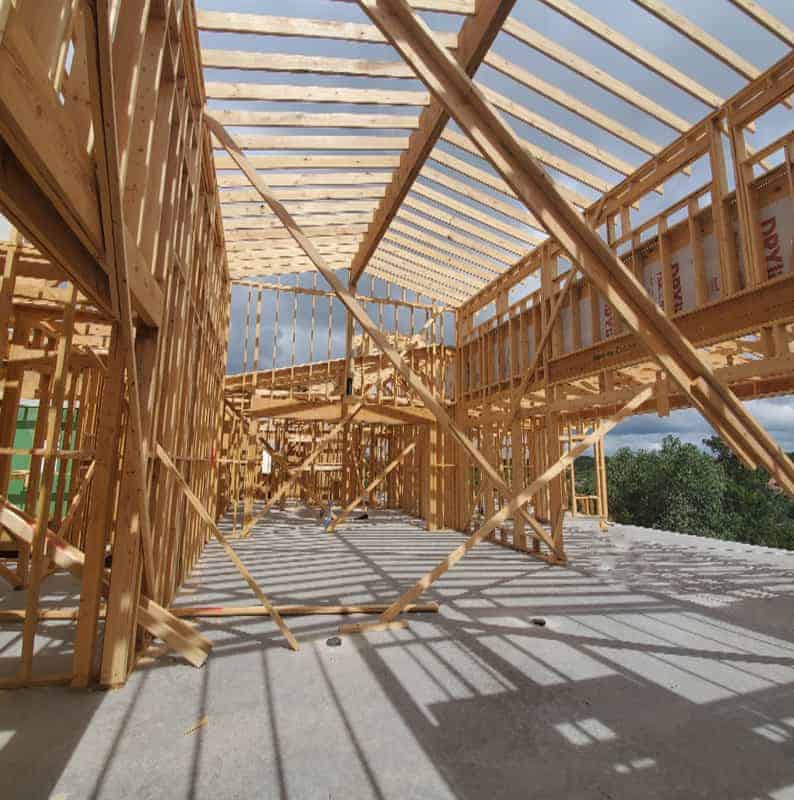
Collaboration in the Field: Keeping Trades and Schedule Moving Together
Once construction begins, a complex custom home might have fifteen to twenty-five subcontractor scopes moving in parallel, directed by the general contractor. Collaboration in the field looks like schedule visibility, clear documentation, and a change order process that keeps the owner informed and confident rather than reactive.
Change orders are a normal part of any custom home build — design refinements, site conditions, and evolving preferences all generate them. What keeps that process collaborative rather than a source of friction is clarity: each change order documented clearly, priced reasonably, and explained to the owner before it’s approved, so the decision is made with full context. The owner’s representative’s daily management of schedule, pay applications, and quality of work in place is what keeps the project firmly on track through a phase with a great deal happening at once — steady, hands-on oversight that keeps the process collaborative rather than reactive.
Why Collaboration Matters Most When the Owner Is Building From a Distance
Collaboration becomes especially valuable — and especially visible — on projects where the owner isn’t on-site day to day. An owner building a second home in Montecito, a retreat property in Malibu, or a vineyard property in the Santa Ynez Valley while based in another city relies even more heavily on the project team working well together, because there’s no daily in-person presence smoothing over gaps in communication.
In those situations, a construction manager’s presence becomes the collaborative thread connecting an owner who can’t be there every day to a project that still needs their input regularly. Questions get resolved and decisions get communicated promptly, challenges get resolved and translated into clear communication to the owner so that the owner can understand and act no matter where they’re based. That kind of steady, collaborative structure is what allows an owner to build with full confidence in Southern California while managing a life that’s centered somewhere else entirely.
At Triton Engineering Contractors, collaboration is central to how we manage every project — hands-on direction of the schedule, the budget, and the flow of information across every specialist, paired with a genuinely collaborative working style so each of them can focus fully on their own excellent work. Our team’s direct experience building custom homes across Southern California, combined with a background in commercial and multifamily construction where dozens of trades and consultants have to move in coordinated sync as a matter of course, shapes the discipline we bring to every project. As owner’s representative and construction manager, our focus stays on keeping the full team aligned and the owner clearly informed, from the first coordination meeting through final closeout. If you’re planning a custom home and want to understand what genuine collaboration looks like on a project of your own, we’d welcome the conversation.
Key Takeaways
- The best construction projects run on collaboration — shared, current information moving between specialists, actively managed by an owner’s representative with real authority over schedule, budget, and coordination.
- Silos form gradually when no one is dedicated to keeping the connections between specialists’ scopes visible; establishing collaborative habits early, starting at land acquisition and team selection, prevents that drift.
- An owner’s representative fills the natural coordination gap on any multi-party project, keeping information moving accurately and representing the owner’s interest in the project.
- During design, shared visibility into budget and schedule implications keeps decisions informed and collaborative rather than reactive.
- During construction, clear documentation and consistent schedule oversight keep the field’s many moving parts working together smoothly.
- For owners building a second home or retreat property while based elsewhere, strong team collaboration is especially valuable, providing a consistent, informed presence on the ground.
Frequently Asked Questions
What does collaboration mean on a construction project? It means the project runs on shared, current information moving between every specialist, actively managed by an owner’s representative who keeps the schedule, budget, and priorities aligned. Each professional focuses fully on their own expertise while staying connected to everyone else through clear communication and firm, hands-on oversight and management.
How does an owner’s representative support collaboration on a project? An owner’s representative keeps information moving accurately between the architect, engineers, general contractor, and owner, and tracks how decisions affect budget and schedule throughout the project. That coordination supports every party’s work without directing any one professional’s scope.
When should collaborative habits be established on a custom home project? As early as possible — ideally starting at land acquisition and team selection, before design begins. Projects that build collaborative habits from the start tend to move through design and construction with far more clarity than ones trying to establish alignment after the fact.
Does strong collaboration mean the owner has less say in decisions? No. Collaboration means the owner has more of the information needed to make confident decisions, not less involvement. The owner continues to make every meaningful decision about their project, informed by a team that’s working from the same shared, current picture.
Why does collaboration matter more for owners who aren’t on-site regularly? When an owner is building a second home or managing a project from another city, strong team collaboration and a construction manager’s consistent presence ensure questions get resolved and decisions get communicated promptly, keeping the project moving without waiting for the owner’s next visit and causing avoidable delays in the project.