Every custom home project moves toward the same basic goal: a finished home, delivered at the quality the owner envisioned, without a string of avoidable surprises along the way. The projects that get there smoothly aren’t the ones that never encounter a wrinkle — every complex build encounters a few. They’re the ones where those wrinkles get identified and addressed while they’re still small, days or weeks before they’d otherwise become urgent. That’s the difference between anticipation and reaction, and it’s one of the most valuable things an owner’s representative brings to a custom home build.
Anticipation isn’t a personality trait or a stroke of good luck. It’s a discipline — a habit, sharpened by years of experience, of looking two or three steps ahead of wherever the project currently stands, and asking what’s coming next that someone should be preparing for right now. On a project with a dozen specialists each focused on their own scope, that forward-looking view doesn’t happen automatically. It has to be someone’s dedicated function, carried consistently across every phase of the build.
Why Staying Ahead Isn’t Any One Specialist’s Job
Every professional on a custom home project brings real expertise to a defined piece of it, and each of them is, appropriately, focused on executing that piece well. The architect is thinking ahead about the design. The structural engineer is thinking ahead about load paths. The general contractor is thinking ahead about sequencing the trades under their direction. Each of those forward-looking habits is valuable, and each of them is scoped narrowly to that professional’s own discipline.
What’s missing when a project relies only on those individual habits is a view that spans across all of them at once — someone tracking how a decision in design might ripple into a procurement timeline three months later, or how a permitting delay in one department might affect when a long-lead material needs to be ordered. That connective, cross-phase foresight is exactly the gap an owner’s representative fills. It’s not a substitute for any specialist’s own planning — it’s the layer that makes sure their individual planning stays synchronized with everyone else’s.
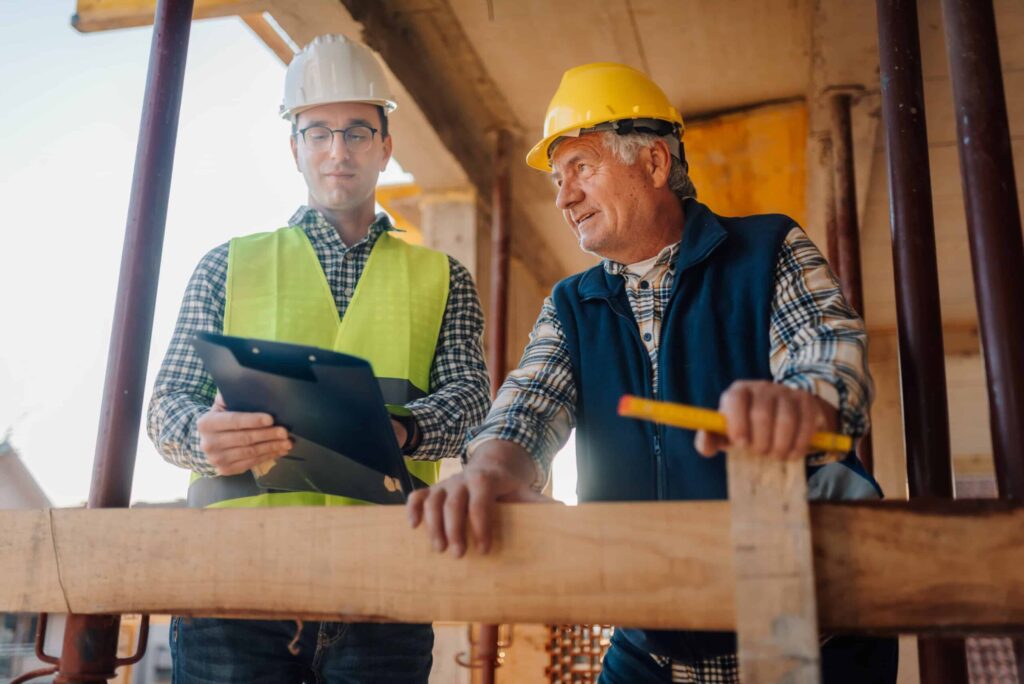
This is construction management in its most forward-looking form: not simply coordinating what’s happening today, but continuously scanning what’s coming over the next few weeks and months so nothing catches the project off guard. As owner’s representative and construction manager — the same role described from two angles — that anticipatory function runs the length of the project, from the earliest site evaluation through final closeout.
Anticipating Before the Project Even Starts: Land and Team Selection
The earliest opportunity to get ahead of a project comes before there’s a project team to get ahead of. Evaluating a prospective property means anticipating questions that won’t fully surface until much later — how a hillside lot’s topography will shape the foundation approach, how a coastal parcel’s proximity to the bluff might affect the entitlement timeline, how a site’s utility access might influence what needs to happen before construction can begin. Identifying those considerations at the land stage means the owner is making a purchase decision with a genuine sense of what the site will require, rather than discovering it after escrow closes.
Team selection carries the same forward-looking logic. Matching an architect and interior designer to a project’s specific character and complexity — and, as they bring on their own engineers and specialty consultants, making sure that expanding team is suited to what the project actually demands — is itself an exercise in anticipating what the design and construction phases will require. A team assembled with that foresight tends to move through the months ahead with far more clarity than one still finding its footing once the real complexity of the project reveals itself.
Staying Ahead During Design: Catching What’s Coming Before It Arrives
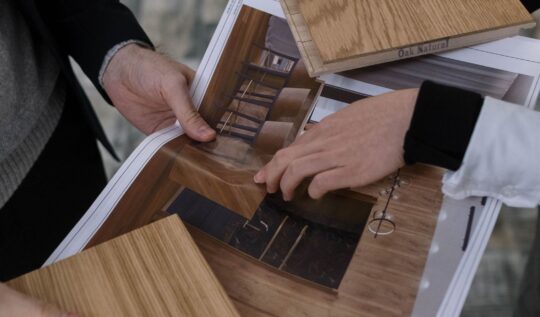
Design is where a project’s shape is still actively forming, which makes it one of the richest phases for anticipation to pay off. As the architect refines spaces and the structural engineer and MEP designer respond to those refinements, each decision carries downstream implications that aren’t always visible from inside any single discipline. A material selected early in design might have a longer lead time than the schedule currently assumes. A structural approach under consideration might affect how a mechanical system gets routed later.
During this phase, an owner’s representative tracks those decisions specifically for what they mean further down the line — flagging a long-lead item early enough that it can be ordered well before it’s needed, or surfacing a sequencing question before it becomes a scheduling conflict once construction begins. That forward view also extends to the owner directly: bringing cost and schedule implications to the owner’s attention while a decision is still open, rather than after it’s already been made, so the owner is engaging with genuine choices instead of retroactive explanations. This is where the owner’s representative functions as a consultant to the owner as much as a coordinator of the team — translating what’s coming into information the owner can act on with confidence.
Anticipating in the Field: Sequencing, Lead Times, and the Rhythm of Construction
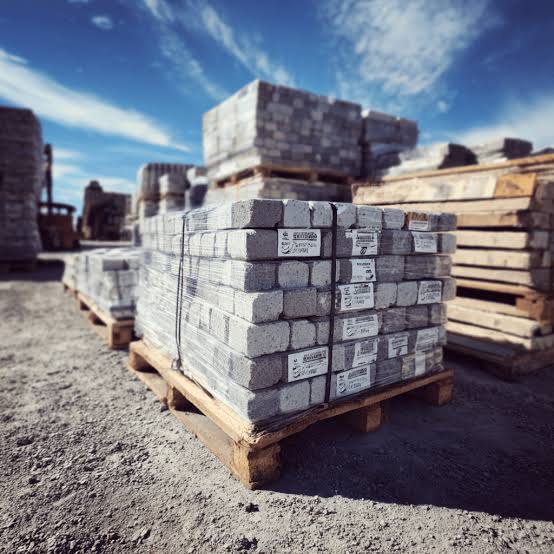
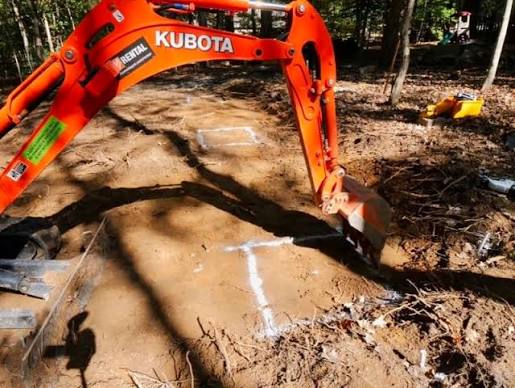
Once construction begins, anticipation shifts from design implications to the physical rhythm of the jobsite itself. A general contractor may be sequencing fifteen to twenty-five subcontractor scopes, and much of what makes that sequencing run smoothly depends on preparation that happens well before a given trade ever shows up. Custom millwork, imported stone and tile, specialty windows, and certain mechanical equipment often carry lead times measured in months, not weeks — and a project only avoids being held up by them if someone is watching those timelines from well upstream, not discovering a gap once the installation date is already close.
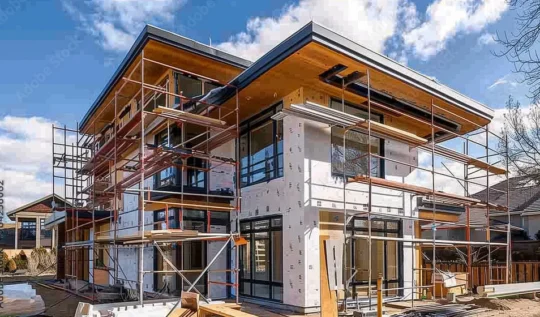
Seasonal timing matters here too. Southern California’s rainy months affect earthwork and foundation work most directly, and anticipating that window means sequencing grading, excavation, and foundation pours to work with the calendar rather than against it. An owner’s representative’s role during construction is to manage the schedule, review pay applications, monitor quality of work in place, and administer the change order process with this same forward orientation — watching not just what’s happening this week, but what needs to be in motion now so that three or four weeks from now, the next phase of work isn’t waiting on something that should have been started earlier.
Change orders are a normal part of any custom home build, generated by design refinements and evolving site conditions. Anticipation doesn’t eliminate them, but it does mean fewer of them arrive as a surprise — because a well-managed project is watching for the kinds of conditions that tend to generate them and bringing that information to the owner early, clearly documented and explained, so decisions get made with full context rather than under time pressure.
Why Anticipation Matters Most for Owners Building From a Distance
This forward-looking function becomes especially valuable on projects where the owner isn’t on-site regularly — a second home in Montecito, a retreat property in Malibu, or a vineyard property in the Santa Ynez Valley, built by an owner whose primary residence is somewhere else entirely. Without someone actively watching what’s coming, those owners are often the last to learn that a decision is needed, simply because there’s no consistent presence representing the owner’s interests and translating what’s ahead into something they can act on before it becomes time-sensitive.
An owner’s representative closes that gap by staying ahead of the calendar on the owner’s behalf — flagging what’s coming while there’s still time to act on it, whether the owner is a short drive away or managing the project from another state entirely. That steady, anticipatory presence is often what allows an owner to build confidently while their attention is genuinely needed somewhere else most of the time.
At Triton Engineering Contractors, staying ahead of a project rather than catching up to it is central to how we manage every build. Our team’s direct experience building custom homes across Southern California, paired with a background in commercial and multifamily construction where long lead times and tight sequencing are a daily reality, shapes the discipline we bring to anticipating what a project will need before it needs it. As owner’s representative and construction manager, and as a direct consultant to the owner throughout, our focus stays on identifying what’s coming next and preparing for it early, from the first site evaluation through final closeout. If you’re planning a custom home and want to understand what that kind of forward-looking management looks like for your project, we’d welcome the conversation.
Key Takeaways
- Anticipation is a discipline, not a coincidence — it means consistently looking a few steps ahead of where the project currently stands, across every phase.
- Every specialist anticipates within their own discipline, but no one’s role is to anticipate across all of them at once — that connective foresight is what an owner’s representative provides.
- At the land and team-selection stage, anticipation means identifying site conditions and matching team expertise before those questions become urgent later.
- During design, tracking decisions for their downstream implications — lead times, sequencing, cost — helps the owner engage with choices while they’re still open rather than after the fact.
- During construction, anticipating lead times, seasonal timing, and trade sequencing keeps the schedule moving without last-minute scrambles.
- For owners building a second home or retreat property while based elsewhere, this forward-looking presence is especially valuable, keeping decisions ahead of the calendar rather than behind it.
Frequently Asked Questions
What does it mean for an owner’s representative to be “proactive, not reactive”? It means the owner’s representative is consistently looking ahead of the project’s current stage — flagging lead times, sequencing questions, and upcoming decisions early enough to act on them, rather than responding to issues only once they’ve already become urgent.
Why doesn’t anticipation happen naturally on a well-staffed project? Every specialist plans ahead within their own scope, but no one’s role is specifically to track how decisions in one discipline will affect another discipline weeks or months later. An owner’s representative provides that cross-phase view as a dedicated function.
How does anticipation show up during the design phase specifically? An owner’s representative tracks design decisions for their downstream cost, schedule, and procurement implications, bringing that information to the owner while a decision is still open — so choices get made with full context rather than revisited after the fact.
Does anticipating problems mean a project has more of them? No — the opposite. A well-managed project still encounters the normal range of decisions and adjustments any custom home build generates. Anticipation means those are identified and addressed while still small, so fewer of them accumulate into something disruptive later.
Why does anticipation matter more for owners who aren’t on-site regularly? When an owner is building a second home or managing a project from another city, a construction manager watching what’s coming next means decisions get surfaced and communicated with enough lead time to act on them, keeping the project moving without waiting for the owner’s next visit.